

Maybe you want to earn your own money but cannot leave home every day. Maybe you are raising children, caring for family, or living in a place where good local jobs are hard to find. Or maybe you simply want more freedom than a fixed 9-to-5 schedule allows. If any of this sounds familiar, you are not alone.
The good news is that the internet has made it possible to start a business with a phone or laptop, a stable connection, and a willingness to learn. You do not need a big office, a large budget, or a business degree. Many women today run successful online businesses from home, and they started with small steps and simple ideas.
The hard part is knowing where to begin. There are so many options that it is easy to feel stuck, or to fall for “get rich quick” offers that never deliver. This guide takes a more honest approach. Below you will find practical online business ideas for women from home, explained in plain language, with examples, costs, and tips on how to get your first customer. You will also learn which platforms to use, which skills matter most, and which mistakes to avoid.
Read through the whole guide, pick one or two ideas that match your skills and your available time, and start small. Consistency matters far more than a perfect plan.
Quick note: Earnings vary widely. No online business is guaranteed to make money, and most take a few months of steady effort before income becomes regular. Treat the ideas below as starting points, not promises.
Best Online Business Ideas for Women From Home
These are some of the most popular and realistic options right now. Each one can be started from home, and most can be run part-time at first.

1. Freelance writing and content creation. Businesses constantly need blog posts, product descriptions, emails, and social media captions. If you write clearly, you can offer these services to small companies. Start with two or three sample articles on topics you know well, then pitch them on freelance marketplaces or directly to local brands.
2. Virtual assistant services. A virtual assistant (VA) helps busy owners with email, scheduling, data entry, customer replies, and social media. It is one of the easiest ways to start because most of the skills are organizational. Many VAs begin with one client and grow from there.
3. Social media management. Small businesses often know they should be on Instagram or Facebook but do not have time. You can plan posts, design simple graphics, reply to comments, and report results. Even managing two or three small accounts can create steady monthly income.
4. Online tutoring and teaching. If you are strong in a subject, language, or skill, such as math, English, Quran recitation, cooking, or drawing, you can teach students online through video calls. You can also create a recorded course and sell it repeatedly.
5. Handmade products and crafts. Candles, jewelry, crochet items, home decor, soaps, and custom gifts sell well online, especially when they feel personal. Selling through Instagram, Etsy, or a local marketplace lets customers find you without a physical shop.
6. Graphic design. Logos, social media templates, invitations, and menu designs are always in demand. Free tools like Canva make it possible to start without expensive software.
7. Home-based food business. Baking, meal prepping, and selling specialty snacks can work well if local rules allow home kitchens to sell food. Online ordering through WhatsApp or Instagram keeps it simple.
8. Blogging or niche websites. A blog on parenting, recipes, health, budgeting, or travel can earn through ads, affiliate links, and sponsored posts. It is slow at the beginning but can become a long-term asset.
9. YouTube or short-form video. If you enjoy being on camera or can create voiceover content, videos about cooking, fashion, study tips, or home organization can grow into a business through ads, sponsorships, and product sales.
10. E-commerce and reselling. You can sell clothing, beauty products, or household items through your own online store or social media page. Many women start by reselling products from trusted suppliers before creating their own brand.
If you want to compare how different ideas look from a startup-cost angle, here is a quick overview:
| Idea | Typical startup cost | Skill level | Time to first income |
| Virtual assistant | Very low | Beginner | A few weeks |
| Freelance writing | Very low | Beginner to intermediate | 1 to 2 months |
| Online tutoring | Very low | Subject knowledge | A few weeks |
| Handmade products | Low to medium | Craft skills | 1 to 3 months |
| Blogging | Low | Beginner | 6 months or more |
| E-commerce store | Medium | Intermediate | 2 to 4 months |
Online Business Ideas for Women With Low Investment
A common worry is money. The good news is that many businesses can start with almost nothing. In these cases you are mostly investing time and skill, not cash.

Service-based businesses are the cheapest to start. Virtual assistance, writing, editing, transcription, social media management, and tutoring need little more than a phone or laptop and internet access. You are selling your effort, so there is no stock to buy.
Print-on-demand lets you sell products without holding inventory. You upload designs for T-shirts, mugs, or tote bags, and a supplier prints and ships each order only after a customer buys. You pay for the product only when you make a sale, which greatly reduces risk. Your main job is creating designs people actually want.
Dropshipping and reselling can start small. With dropshipping, a supplier ships directly to your customer. The trade-off is lower profit margins and less control over quality, so choose suppliers carefully and order samples first.
Selling digital products is another smart low-cost choice. Planners, resume templates, printable worksheets, budget trackers, and social media templates are created once and sold many times. There is no shipping and no stock to manage.
Tips for starting with a small budget:
- Start with one idea, not five. Spreading yourself thin wastes both time and money.
- Use free tools such as Canva for design, Google Workspace for documents, and free trials for scheduling tools.
- Reinvest early profits into one useful improvement, like a better photo setup or a short online course.
- Keep business money separate from household money from the beginning. It makes tracking progress much easier.
Online Business Ideas for Housewives
Managing a home is already a form of business management. You plan, budget, organize, negotiate, and solve problems every day. Those are real skills, and they transfer well to online work. The best ideas for housewives are usually flexible, so work can fit around family routines.

Home-based tutoring or Quran and language classes. Teaching children or adults online during school hours or evenings can give you predictable income. Parents often prefer teachers they trust, so referrals spread quickly.
Cooking, baking, and meal services. If friends and relatives always ask for your recipes, that is a good sign. You can take pre-orders for cakes, frozen snacks, or weekly meal boxes. Take clear photos and share them on Instagram or WhatsApp status to attract customers.
Tailoring, boutique, and custom clothing. Women with stitching skills can offer custom outfits, alterations, or children’s clothing. Posting before-and-after photos builds trust fast.
Home organization and decor consulting. You can advise clients over video call on how to arrange rooms, declutter, or style small spaces. This works especially well if you share your own home projects on social media first.
Parenting or lifestyle content creation. Sharing real experiences through a blog, Instagram page, or YouTube channel can attract an audience of other parents. Over time, this can lead to sponsorships and affiliate income.
Part-time customer support or data entry. Some companies hire remote workers for chat support and basic admin work. Always verify the company before sharing personal details, and never pay a fee to get a job.
A practical schedule tip: Instead of waiting for a free full day, block out two fixed hours, such as when children are at school or asleep. Two focused hours daily is better than an unplanned eight-hour day that never happens.
Online Business Ideas for Beginners With No Experience
“I have no experience” is one of the most common reasons women delay starting. But most online businesses reward willingness to learn more than past job titles.
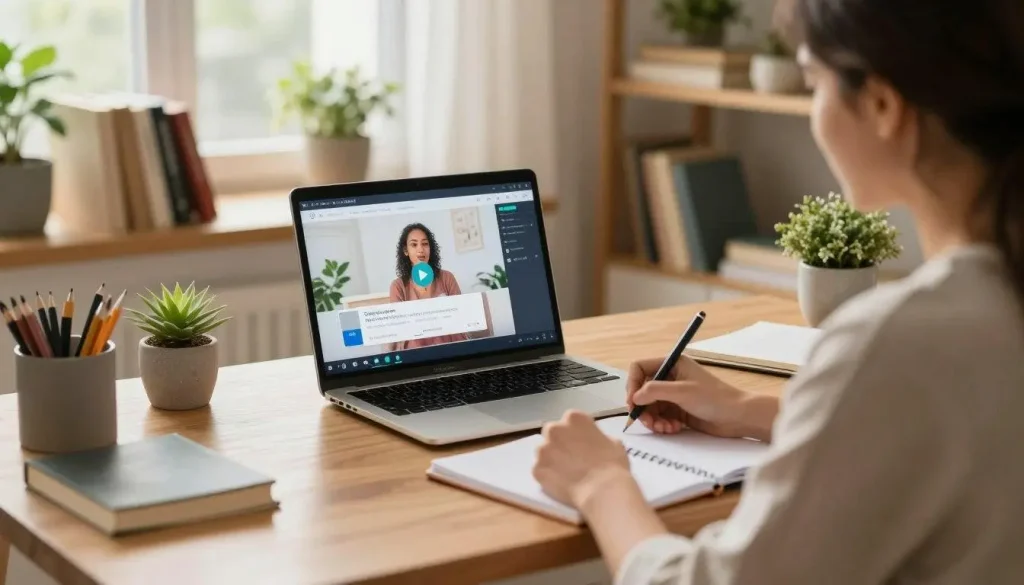
Start with what you already know. Think about what people ask you for help with: writing messages, planning events, finding good deals, styling outfits, helping with homework, or organizing documents. Each of these can become a service.
Beginner-friendly options include:
- Virtual assistance, because tasks are clear and can be learned quickly
- Transcription and captioning, which needs good listening and typing
- Social media posting for small shops, starting with simple scheduling and caption writing
- Selling printables or planners, using beginner design tools
- Reselling thrifted or wholesale items, starting with a small batch
How to gain experience without a job history:
- Take a short free course. Platforms like Google Digital Garage offer free lessons in digital marketing, which is useful for almost any online business.
- Create sample work. A writer can publish three sample articles. A designer can make five mock logos. A VA can create a sample content calendar.
- Offer a small discount or one free project to your first one or two clients in exchange for an honest testimonial.
- Document your learning. Posting about what you are learning shows that you are serious and helps attract clients.
Expect mistakes in the first months. That is normal and part of the process. Every experienced online business owner started exactly where you are now.
Profitable Online Business Ideas for Women
Some businesses have higher earning potential because they solve bigger problems, charge higher prices, or can scale beyond your own time.

Digital marketing services. Search engine optimization (SEO), email marketing, and paid ads are valuable to businesses, so clients often pay well for results. This path takes more learning, but it can become a high-income skill.
Online coaching and consulting. If you have experience in fitness, nutrition, career growth, finance, parenting, or business, you can coach clients one-on-one or in groups. Coaching works best when you have a clear specialty, such as “career coaching for women returning to work.”
Online courses and memberships. Once you create a course, you can sell it many times. A cooking course, a language course, or a beginner’s design course can earn while you sleep, but you must invest effort in teaching well and marketing it.
Your own e-commerce brand. Selling your own products, such as skincare, modest fashion, or handmade goods, usually offers higher profit margins than reselling. It takes more planning, quality control, and branding, but a loyal customer base can grow into a strong business.
Web design, UX, or bookkeeping services. These are skill-based services with solid demand, and many clients prefer working with a trusted individual rather than a large agency.
A realistic note on profit: Profitable does not mean effortless. The women who earn the most usually specialize in one niche, deliver consistent quality, and build a reputation over time. Aim to become known for one thing first.
Online Business Ideas for Women to Earn Money From Home
If your goal is simply to earn money from home, whether as extra income or as a full-time replacement for a job, you can combine different approaches.
Active income means you trade time for money, such as freelancing, tutoring, or virtual assistance. It is the fastest way to start earning.

Passive or semi-passive income includes digital products, blog earnings, affiliate marketing, and recorded courses. These take effort upfront but can keep earning after the work is done. “Passive” never means zero work, because you still need to update and promote what you create.
A smart approach is to blend both. For example, a woman might freelance as a writer to earn immediately, while slowly building a blog or selling printable planners on the side. Over time, the side project can reduce her dependence on client work.
Other realistic ways to earn:
- Affiliate marketing, where you recommend products and earn a commission when someone buys through your link
- Selling stock photos or digital art if you enjoy photography or illustration
- Online surveys and microtasks, which pay very little and should be treated as pocket money, not a business
- Content licensing or UGC (user-generated content), where brands pay creators to make short product videos
Be careful with anything that promises large income for little work. Real earnings come from real skills and consistent effort.
How to Start an Online Business From Home
Here is a simple step-by-step plan you can follow, whichever idea you choose.

Step 1: Choose your idea. Match it with your skills, interests, and available hours. Ask yourself: What can I do well? What would people pay for? Would I enjoy doing this for the next year?
Step 2: Check the demand. Search for your idea on Google, Instagram, and marketplaces. See who is already offering it and what they charge. Competition is usually a good sign because it proves people are paying.
Step 3: Define your customer. Be specific. “Busy working mothers who want healthy frozen meals” is far better than “everyone.”
Step 4: Set your offer and price. Decide exactly what you will sell, what it includes, and how much it costs. Make sure your price covers your time, materials, and fees.
Step 5: Set up the basics. Create a simple business name, a professional-looking profile photo, and a clear bio. Open dedicated social media accounts and a separate payment account. Depending on where you live, check whether you need to register your business or follow tax and food or product safety rules.
Step 6: Build a small portfolio. Gather samples, photos, or testimonials so potential customers can see what you do.
Step 7: Find your first customers. Tell friends and family, post regularly, join relevant online communities, and message potential clients directly. The first sale is often the hardest and the most motivating.
Step 8: Deliver well and ask for feedback. Happy customers become your best marketing through reviews and referrals.
Step 9: Track and grow. Keep a simple record of income, expenses, and what is working. Once you have steady results, raise your prices, add new services, or hire help.
Related reading: [Internal link: a guide on creating a simple business plan] and [Internal link: how to price your products or services].
Best Platforms to Start an Online Business
The right platform depends on what you sell. Here are reliable options for different business types.

For freelancing and services: Upwork, Fiverr, and Freelancer connect you with clients worldwide. LinkedIn is also powerful for finding professional clients. Create a strong profile, add samples, and apply to small jobs first to build ratings.
For handmade and creative products: Etsy is built for crafts, digital downloads, and unique gifts. The Etsy Seller Handbook offers free guidance on listing products, taking photos, and growing a shop.
For your own online store: Shopify, WooCommerce, and similar tools let you build a branded store with payment and shipping options. They cost more than marketplaces but give you control over your brand and customer relationships.
For design work and templates: Canva offers free design lessons and beginner-friendly tools, and you can also sell templates through marketplaces.
For social selling: Instagram, Facebook, TikTok, and WhatsApp Business are excellent for home-based food, fashion, and beauty brands. Good photos, short videos, and quick replies matter more than a fancy website at the start.
For teaching: Zoom and Google Meet work for live classes, while platforms such as Udemy or Teachable can host recorded courses.
Choosing wisely: Marketplaces bring ready-made traffic but charge fees and have heavy competition. Your own website or social page gives more control but takes longer to grow. Many successful sellers use both.
Skills Needed to Run a Successful Online Business
You do not need every skill on day one, but these matter most over time.
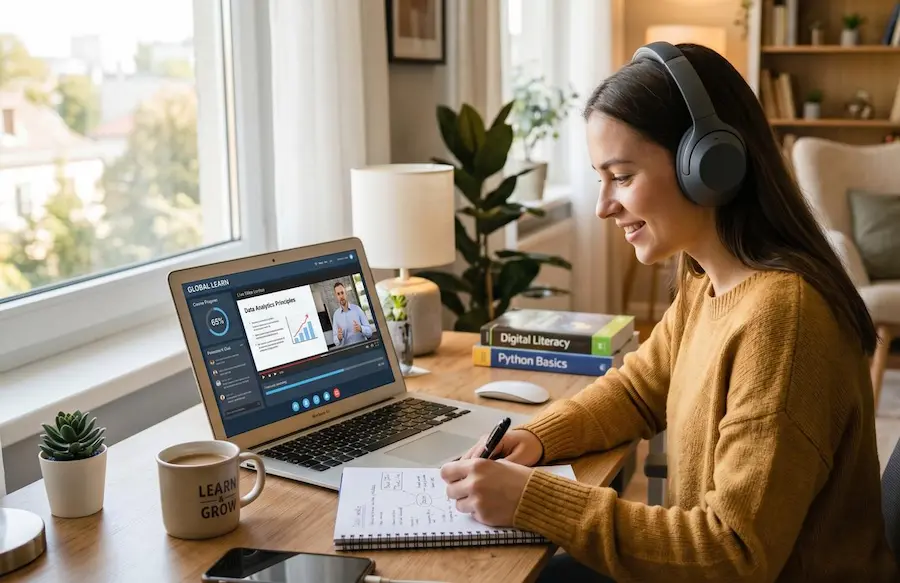
Communication. Clear, polite, and quick replies build trust. Many sales are won or lost in a simple message.
Time management. Working from home can blur the line between family and business. Use a weekly planner, set work hours, and protect them.
Basic digital skills. Comfort with email, file sharing, online payments, and your chosen platform is essential. You can learn these gradually.
Marketing basics. Knowing how to write a good caption, take clear photos, and explain what makes your offer valuable will help in any business.
Money management. Track income and expenses, understand profit versus revenue, and set aside money for taxes or reinvestment.
Customer service. Handle complaints calmly, be honest about delivery times, and fix mistakes quickly.
Consistency and patience. Most online businesses take months to build momentum. Showing up regularly is often the real difference between those who succeed and those who quit.
Learning mindset. Platforms, trends, and tools change. Set aside a little time each week to learn something new.
Benefits of Starting an Online Business From Home

Flexibility. You can often decide when and where to work, which helps you balance family, education, or other responsibilities.
Low startup costs. Compared with opening a physical shop, online businesses need far less money for rent, furniture, and staff.
Independence and confidence. Earning your own income gives you more financial choices and a stronger sense of control.
Access to a global market. Your customers are not limited to your neighborhood. A tutor, designer, or writer can work with clients across countries.
Room to grow. You can start part-time and scale up when you are ready, by adding services, raising prices, or hiring helpers.
Skill development. Running a business teaches marketing, negotiation, finance, and problem-solving, all of which are valuable in any career.
Saved time and money on commuting. Without daily travel, you can use those hours for work, rest, or family.
Of course, there are challenges too, including self-discipline, irregular income, and isolation. Planning for them early makes them much easier to manage.
Common Mistakes to Avoid When Starting an Online Business
Trying to do everything at once. Launching several businesses together usually leads to burnout. Master one before adding another.
Skipping market research. Do not assume people will buy just because you like your idea. Test it with a small group first.
Underpricing your work. Charging too little may attract customers quickly but makes it hard to earn a real income. Price based on value and your costs, not fear.
Falling for scams. Be cautious of any job or program that asks for upfront registration fees, promises guaranteed income, or pressures you to recruit others. Research companies and read reviews before sharing money or personal data.
Ignoring branding and presentation. Blurry photos, unclear descriptions, and inconsistent profiles make a business look unreliable. Simple, clean, consistent visuals build trust.
Not keeping records. Without tracking income and expenses, you cannot tell what is working or prepare properly for taxes.
Giving up too early. Many beginners quit after a few weeks of low results. Plan for at least three to six months of steady effort before judging progress.
Neglecting customer relationships. A repeat customer is cheaper to keep than a new one is to win. Follow up, say thank you, and ask for reviews.
Working without boundaries. Set clear working hours and communicate them to your family and clients to protect your energy.
Conclusion
Starting an online business from home is one of the most realistic ways for women to build income, confidence, and independence. Whether you choose freelancing, tutoring, handmade products, digital downloads, or a small online store, the path is the same: pick one idea, start small, learn as you go, and stay consistent.
You do not need perfect skills, a big budget, or years of experience. You need a clear offer, a few early customers, and the patience to keep improving. Be careful with scams and unrealistic promises, price your work fairly, and treat your business like a real business from the beginning.
The best time to start is when you have chosen your first idea. Pick one from this guide today, take the first small step, whether that is creating a profile, writing a sample, or posting your first product, and build from there.
Frequently Asked Questions
What is the best online business for women to start from home?
There is no single best option, because it depends on your skills, time, and goals. For most beginners, virtual assistance, freelance writing, tutoring, and social media management are strong starting points because they need little money and can be learned quickly.
Can I start an online business with no money?
Yes. Service-based businesses like freelancing, tutoring, or virtual assistance can begin with just a phone or laptop and an internet connection. You can use free tools for design, communication, and scheduling while you earn your first income.
How much can women earn from an online business at home?
Income varies widely. Some women earn a small side income, while others build full-time businesses. Your earnings depend on your skills, niche, pricing, and consistency, so be cautious about anyone who promises a fixed amount.
Which online business is best for housewives?
Flexible options such as online tutoring, home-based food or baking, tailoring, content creation, and part-time virtual assistance work well because they can fit around household routines.
Do I need to register my online business?
This depends on where you live and what you sell. Many places require registration or tax filing once your income passes a certain level, and food or beauty products may have extra rules. Check your local government’s guidelines or speak with a local accountant.