

Have you ever checked your bank balance halfway through the semester and wondered how you’ll cover next month’s expenses? You’re not alone. Many students want extra income, but a regular part-time job often clashes with lectures, assignments, and exams.
That’s why more students are searching for Business Ideas for Students in 2026. Instead of waiting for the perfect job, they’re building something of their own, one small step at a time. Running a small venture lets you set your own hours, learn real skills, and build independence long before graduation.
Here’s the good news: starting a business doesn’t always require a large investment, years of professional experience, or a physical shop. A laptop, a stable internet connection, and the willingness to learn are often enough to begin.
Of course, it isn’t effortless. Most students work with tight budgets, have little or no business experience, and must balance their studies with the demands of a new project. These challenges are real, but they’re manageable when you choose an idea that fits your life.
2026 offers more opportunities than ever. Digital marketing, SEO, blogging, affiliate marketing, video editing, and website development let you earn from skills you can learn online. Reselling and virtual assistance have low entry costs, while AI automation helps you save time and deliver work faster. Whether you’re searching for low-cost business ideas for college students or simply browsing small business ideas for students, there’s likely an option that matches your situation.
Below, we’ve gathered practical ideas to explore. Read on to find the one that suits your skills, your budget, and your schedule.
1. Digital Marketing
Digital marketing means helping businesses find and win customers online through social media, ads, email, and content. Thousands of small businesses in Pakistan, from clothing brands to home bakeries and tuition academies, are active on Instagram and Facebook but don’t know how to use those platforms well. That gap is where a student can step in.

Skills and Tools
You don’t need a marketing degree. You need a few practical skills: basic copywriting, simple graphic design in Canva, and an understanding of how Meta Business Suite and Meta Ads Manager work. Google Digital Garage, Meta Blueprint, and YouTube tutorials teach all of this for free.
How to Start
- Pick one service, such as managing Instagram pages for local clothing or food brands.
- Build proof. Run a page for a family member’s business for a month and record the results, like follower growth or WhatsApp inquiries.
- Create a simple portfolio in Canva or Google Drive showing before-and-after examples.
- Approach local businesses through WhatsApp, Instagram DMs, or in person. You can also create profiles on Fiverr and Upwork for international clients.
- Offer a monthly package covering posts, captions, and basic ad management.
Startup costs are low. Most students can begin with Rs 0–10,000, which covers a small ad testing budget and perhaps a paid course. Early clients often pay a few thousand to a few tens of thousands of rupees per month, depending on the workload and your experience.
Challenges and Growth
The hardest part is managing expectations. Clients often want sales within days, so explain upfront that marketing takes time. As you gain experience, specialize in one niche, such as restaurants or online stores, and you can charge more for results-focused work. Later, you can bring in classmates to handle design or video while you manage clients.
2. SEO Agency

An SEO agency helps websites appear higher on Google, so they attract more visitors without paying for ads. As a student, you can offer keyword research, on-page SEO, and website optimization to small businesses that have a website but get little traffic from search.
What You Actually Deliver
Keyword research means finding the exact phrases customers type into Google, such as “best dentist in Lahore.” On-page SEO means placing those phrases naturally in page titles, headings, and content, and improving meta descriptions, image names, and internal links. Website optimization covers page speed, mobile-friendliness, and fixing broken links.
Tools You Can Use for Free
Google Search Console, Google Keyword Planner, Google PageSpeed Insights, and the free versions of Uber suggest or Screaming Frog are enough to start. Premium tools like Ahrefs or SEMrush are expensive, so add them only after you have steady clients.
How to Get Started
- Learn the basics through Google’s SEO Starter Guide and free YouTube courses.
- Practice on your own blog or a friend’s website.
- Perform a free mini audit for a local business, listing three or four specific problems you found.
- Turn that audit into a paid package, such as a one-time audit or monthly optimization.
Realistic startup costs range from Rs 0–25,000, depending on whether you buy a course or a tool subscription. Potential clients include clinics, schools, real estate agents, e-commerce stores, and local service providers.
The main challenge is patience. SEO results usually take three to six months, so avoid promising first-page rankings. Instead, promise clear improvements you can control, like better site structure and faster loading. Over time, you can expand into content writing and link building, or sell SEO as part of a larger package with the digital marketing services above.
3. Blogging Business
A blogging business means building a website around a specific topic and earning from it through display ads and affiliate marketing. Unlike client work, a blog grows into an asset that can bring in visitors, and income, while you study.

Choosing a Niche
Pick a topic you can write about consistently and that people actively search for. Examples include student scholarships, budget travel in Pakistan, freelancing tips, tech reviews, or home cooking. A narrow niche like “study tips for MDCAT students” is easier to rank for than a broad one like “education.”
Setting Up
You need a domain name, web hosting, and WordPress. A domain usually costs around Rs 3,000–4,500 per year, and beginner hosting often falls between Rs 8,000 and 20,000 per year. In total, expect to spend roughly Rs 12,000–25,000 in your first year.
Steps to Follow
- Choose a niche and research 20 to 30 article topics using Google’s autocomplete and “People also ask” sections.
- Install WordPress and a lightweight theme.
- Publish two to three helpful articles per week for the first few months.
- Apply for Google AdSense once you have enough quality content and add affiliate links where they fit naturally.
Honestly, blogs are slow. Most take six months to a year before earning meaningful income, so treat this as a long-term project. Quality matters more than quantity; articles that actually answer readers’ questions perform better than copied or AI-generated filler.
Growth opportunities include building an email list, selling your own digital products like study guides, and accepting sponsored posts once your traffic grows.
4. Affiliate Marketing
In affiliate marketing, you recommend a product or service and earn a commission whenever someone buys through your unique link. You don’t hold stock, handle shipping, or deal with customers, which makes it appealing for students with limited money.

How It Works
You join an affiliate program, receive a tracking link, and share it through a blog, YouTube channel, Instagram page, or WhatsApp community. When a visitor clicks and buys, the company pays you a percentage. Programs range from Daraz’s affiliate program for local shopping to international options like Amazon Associates, web hosting companies, and software tools.
Choosing What to Promote
Promote only products you have used or can honestly evaluate. A student who reviews budget laptops, for example, can create comparison posts and short videos that help classmates choose. Trust matters more than volume; recommending poor products damages your reputation quickly.
Getting Started
- Pick a topic where you have genuine knowledge.
- Choose a platform, such as a blog, a YouTube channel, or an Instagram page.
- Join one or two relevant affiliate programs.
- Create helpful content like reviews, comparisons, and “best of” guides.
- Add your affiliate links and a clear disclosure that you may earn a commission.
Startup costs can be as low as Rs 0–5,000 if you use free platforms, though a blog adds the hosting cost mentioned earlier. Before joining international programs, check how they pay out to Pakistan, since payment methods vary.
The biggest challenge is building an audience, because commissions only come with traffic. Be patient and consistent. As your audience grows, you can negotiate better commission rates, promote higher-priced products, or combine affiliate income with sponsored content.
5. Video Editing
Every YouTuber, brand, and online coach needs polished videos, but many don’t have the time or skill to edit them. As a video editor, you cut footage, add captions, music, and effects, and deliver finished YouTube videos, Instagram Reels, and advertisements.

Skills and Tools
Start with free software. DaVinci Resolve is a professional-grade editor at no cost, and CapCut is beginner-friendly and popular for short-form videos. Learn the essentials first: trimming clips, smooth transitions, subtitles, color correction, and clean audio. Understanding pacing, meaning how fast a video moves to keep viewers watching, is what separates average editors from good ones.
Equipment
A laptop with at least 8 GB of RAM (16 GB is better) and an SSD is enough. Budget Rs 0–15,000 for extras like an external hard drive or a paid software plan, assuming you already own a computer.
How to Begin
- Practice by re-editing free stock footage or your own phone videos.
- Build a portfolio of three to five short samples in different styles, such as a Reel, a YouTube vlog, and a product ad.
- Offer a discounted trial edit to small YouTubers, local brands, and online stores.
- Create profiles on Fiverr and Upwork, or reach out directly through LinkedIn and Instagram.
Short-form editing is a good starting point because projects are quick and clients often need several videos each month. Rates depend heavily on video length and complexity, so quote per video rather than per hour.
The main challenge is deadlines; editing is time-consuming, so be careful not to overbook during exams. To grow, specialize in a style like podcast clips or ad creatives, or add services such as thumbnail design.
6. Website Development
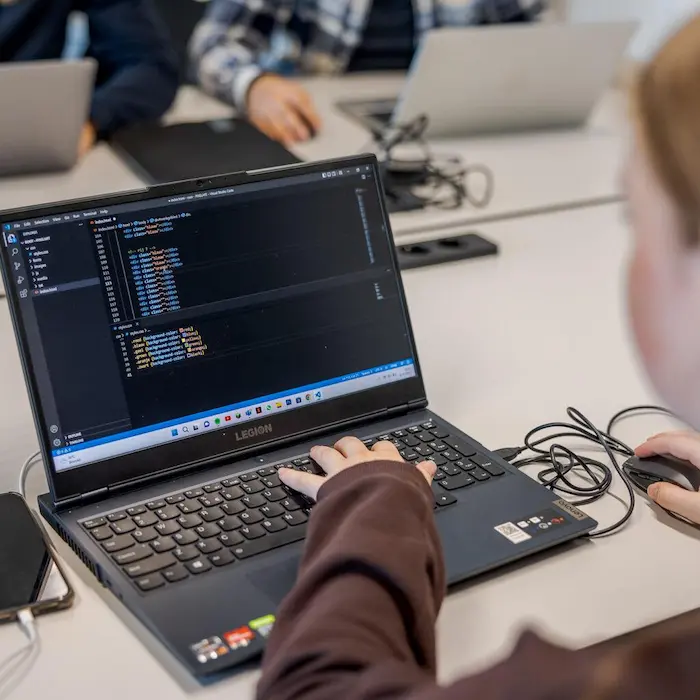
Almost every business now needs a website, yet many owners don’t know how to build one. Website development with WordPress lets you create professional sites for local businesses, bloggers, and freelancers without writing complex code.
Why WordPress
WordPress powers a large share of the web and offers thousands of themes and plugins. Page builders like Elementor let you design layouts visually, so beginners can produce good results within weeks of learning.
Skills to Learn
Focus on installing WordPress, choosing and customizing themes, building key pages (Home, About, Services, Contact), and adding plugins for forms, security, and speed. Basic knowledge of HTML and CSS helps you fix small problems, but isn’t required on day one.
Starting Steps
- Practice by building a demo site locally or on cheap hosting.
- Create three sample websites for imaginary or real businesses, such as a salon, a clinic, and a portfolio.
- Offer your first site at a reduced price to someone you know in exchange for a testimonial.
- Pitch businesses that have outdated sites or only a Facebook page.
Your startup cost is typically Rs 5,000–15,000, mainly for practice hosting, a domain for your own portfolio, and possibly a premium theme. Clients, not you, normally pay for their own hosting and domain, so make that clear in your quotation.
Pricing is usually per project. Clearly define what’s included, how many revisions are allowed, and what happens after delivery. Many developers also sell monthly maintenance plans covering updates and backups, which creates repeat income.
The challenge is client communication; unclear requirements lead to endless revisions. A short questionnaire before starting each project saves a lot of trouble. Over time, you can expand into online stores using WooCommerce or into advanced custom development.
7. Clothing Reselling
Clothing reselling means buying garments at wholesale prices and selling them at a markup through social media, WhatsApp, or online marketplaces. It’s one of the easiest physical businesses to start because you don’t need a shop.

Finding Suppliers
Wholesale markets in cities like Faisalabad, Lahore, and Karachi are well known for garments, and many suppliers also sell through Facebook and WhatsApp groups. Visit in person when possible, compare fabric quality, and ask about minimum order quantities. Start with a small, focused range, such as women’s lawn suits, men’s shirts, or kids’ wear, rather than everything at once.
Startup Investment
A realistic beginner budget is Rs 20,000–50,000 for your first stock, plus a little for packaging and photography. You can lower the risk by listing items first and ordering only what customers confirm, though this requires a supplier who delivers quickly.
Steps to Begin
- Choose a niche and target customers, for example fellow students or young professionals.
- Take clear, well-lit photos using natural light and a plain background.
- Create an Instagram or Facebook page and share customer feedback as proof.
- Set prices by adding your costs (purchase, packaging, delivery) and a reasonable margin.
- Offer cash on delivery in your city, since many Pakistani buyers prefer it.
The biggest challenges are unsold stock, product returns, and keeping quality consistent. Track what sells well, and reorder only those designs. Seasonal planning also matters; summer lawn and Eid collections move quickly but are time-sensitive.
As sales grow, you can open a Daraz seller account, create your own brand label with a tailor, or hire a classmate to handle orders.
8. Mobile Accessories
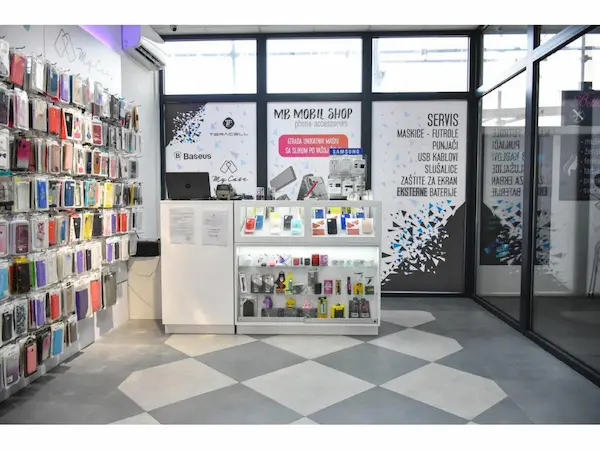
Everyone owns a phone, and everyone eventually needs a cover, charger, or pair of earphones. That steady demand makes mobile accessories a practical business for students, especially on a campus or in a neighborhood where you already know potential buyers.
What to Sell
Start with fast-moving items: phone covers and screen protectors, chargers and cables, earbuds, power banks, and phone stands. Choose products for popular models, since covers for rare phones are hard to sell.
Sourcing and Quality
Electronics markets such as Hafeez Centre in Lahore and similar wholesale areas in Karachi and Rawalpindi offer accessories in bulk. Buy a few samples first and test them. Quality matters more here than in most products, because poor chargers and power banks can damage phones and even cause safety problems. Avoid suspiciously cheap or unbranded charging gear, and be honest with customers about what you’re selling.
Investment and Setup
Expect to spend roughly Rs 15,000–40,000 to begin. Keep your stock small and varied.
- Buy a limited range of in-demand items.
- Photograph them properly and post on Instagram, Facebook Marketplace, and WhatsApp status.
- Sell directly to classmates, hostel residents, and neighbors.
- Offer a small warranty or replacement promise on chargers and earphones to build trust.
Profit margins on individual items are modest, so the business depends on volume and repeat customers. Bundle deals, like a cover plus a screen protector, increase your average sale.
The main challenge is competition from established shops and online sellers. Compete through convenience, such as delivering to hostels or offering same-day service. To grow, consider adding phone repair basics, such as screen guard installation, as a paid extra.
9. Perfume Reselling
Perfume reselling works because fragrances are popular gifts and personal purchases, and customers often buy repeatedly once they find a scent they like. The business depends heavily on trust, so the most important decision is where you buy your stock.

Sourcing Legitimate Products
Buy only from authorized distributors or reputable wholesalers who can show proof of authenticity. Fake perfumes are common, and selling them damages your reputation and may be illegal. If a price seems too good to be true, it probably is. Keep supplier receipts and be transparent with buyers about whether items are original or locally made.
Product Ideas
Besides full bottles, consider small travel sizes, attar and oil-based fragrances, and gift sets for occasions like birthdays, weddings, and Eid. Gift sets let you charge more for presentation and packaging.
Costs and Setup
A starting budget of Rs 15,000–50,000 is typical, depending on whether you stock branded imports or affordable local options.
- Choose a clear category, such as affordable daily-wear scents or premium gift sets.
- Order a small, varied first batch.
- Write honest descriptions that mention scent notes (fresh, woody, floral) and how long the fragrance lasts.
- Sell through Instagram, WhatsApp, and word of mouth, and encourage buyers to share reviews.
Since customers can’t smell products online, offer sample sizes or small decants of legitimate perfumes so they can try before buying a full bottle.
The challenges include storage, because heat and sunlight spoil fragrances, and the cost of tying up money in expensive inventory. Store bottles in a cool, dark place. To grow, build a loyal customer list and plan seasonal promotions around Eid and wedding season.
10. Virtual Assistant
A virtual assistant (VA) provides remote administrative and online support to business owners who need extra hands but can’t afford a full-time employee. Tasks can include managing emails, scheduling meetings, data entry, research, customer support, and social media posting.

Who Hires VAs
Typical clients are busy entrepreneurs, consultants, real estate agents, coaches, and small online stores, many of them overseas. International clients often pay in dollars or euros, which can make VA work attractive for students in Pakistan, though your rates should reflect your actual skills and reliability.
Skills and Tools
Strong English communication, organization, and responsiveness matter more than technical expertise. Learn tools like Google Workspace, Trello or Notion for task tracking, Zoom, and basic spreadsheet functions. A fast, stable internet connection and a backup power or internet option are essential for meeting deadlines.
Steps to Start
- List the tasks you can already do well, such as research, typing, or calendar management.
- Create a short service sheet with clear packages, for example five hours per week of email and scheduling support.
- Build profiles on Upwork or LinkedIn and apply for small, specific jobs first.
- Deliver reliably on the early projects and request reviews.
Startup costs are minimal, around Rs 0–5,000, mostly for a headset or a course. Beginners often start with hourly rates and move to monthly retainers as they gain trust.
The challenge is time zones, since overseas clients may expect responses during your evening or night hours. Agree on working hours at the beginning. With experience, you can specialize in an area like e-commerce support or project management and charge more for those skills.
11. AI Automation Services
AI automation services involve using tools like AI chatbots and workflow platforms to remove repetitive tasks from a business, such as answering common customer questions, sorting emails, or copying data between apps. Small businesses lose hours to these jobs every week, and most owners don’t know how to automate them.

A Simple Example
Imagine a clinic that receives appointment requests through a website form. You can build a workflow that saves each request to a Google Sheet, sends the patient a confirmation email automatically, and alerts the receptionist on WhatsApp. That saves staff time every day, and it’s a project a motivated student can learn.
Tools to Learn
Start with no-code platforms such as Zapier, Make, and n8n, along with AI assistants like ChatGPT or Claude for drafting replies and summarizing information. Most offer free plans that are enough for learning and early projects.
How to Start
- Learn one platform thoroughly instead of sampling all of them.
- Build three practice automations, such as lead capture, auto-replies, and report generation.
- Document each one with a short video or step-by-step explanation.
- Offer a free or low-cost first automation to a local business, then use the result as a case study.
Expect to spend Rs 0–15,000 on subscriptions and courses at the beginning. Price by project based on the time saved for the client, and add a monthly fee for maintenance.
The key challenge is reliability: automations can break when apps change, so testing and support are part of the job. Be honest about what AI can and cannot do, and never handle sensitive customer data carelessly. As demand grows, you can specialize in industries such as real estate or e-commerce, or build reusable templates to deliver faster
Conclusion
Starting a business as a student is less about having a large budget and more about having a clear plan and the patience to follow it. The ideas in this guide show that you can begin with a laptop, a phone, or a small amount of stock, and still build something real.
Whether you choose a skill-based service like digital marketing, video editing, or website development, or a product-based idea like clothing, accessories, or perfume reselling, the best option is the one that fits your skills, your budget, and your study schedule. Pick one idea, learn the basics, and test it with a few real customers.
Expect mistakes along the way. Your first client may be slow to pay, and your first batch of stock may not sell as planned. These experiences are part of the learning process, and they make your next decision better.
Keep your costs low, track your income, and reinvest early profits instead of spending them. Growth will probably be gradual, and that’s perfectly normal.
Give your chosen idea a few months of consistent effort. By the time you graduate, you could have extra income, practical experience, and the confidence to build something bigger.
Frequently Asked Questions
What are some small business ideas for girls and women in Pakistan?
Many of the ideas above work well from home. Strong options include online tutoring, freelance writing, graphic design, social media management, and virtual assistance, which only need a laptop and internet. For product-based work, consider a home bakery, handmade jewelry, embroidery and stitching, mehndi services, or online clothing reselling through Instagram and WhatsApp. Start with a skill you already have, test it with a small group of customers, and use trusted payment and delivery methods.
Which is the best business to start in 2026?
There’s no single best business for everyone. If your budget is small, skill-based services like video editing, website development, or virtual assistance work well because they need almost no inventory. If you prefer selling products, reselling clothing or accessories is an easy way to start. Ask yourself what you can already do, how much you can afford to lose while learning, and how many hours you can give each week. The answers usually point to the right idea.
What businesses are successful in 2026?
Digital services like marketing, SEO, and video editing remain in demand as more businesses move online. E-commerce and social media selling continue to grow, especially in fashion and accessories. Food businesses such as home bakeries and meal prep succeed when quality stays consistent, and online tutoring attracts steady demand. AI automation is a newer, growing area. In every category, success depends more on reliable customer service and consistent effort than on the idea itself.
What are the 7 types of business?
Business types vary by country, but a common list includes sole proprietorship (one owner), partnership (shared ownership), limited liability partnership (LLP), private limited company, public limited company, cooperative society, and non-profit organization. Each differs in ownership, liability, and paperwork. Most student businesses begin as sole proprietorships because they’re the easiest and cheapest to set up. If you plan to grow, check current registration requirements with the SECP or a qualified professional.
How can I start a business with Rs 50,000?
Choose one idea and test demand by talking to ten potential customers first. For a reselling business, you could spend roughly Rs 30,000 on stock, Rs 5,000 on packaging and photography, Rs 5,000 on small ad tests, and keep Rs 10,000 as a reserve. Sell through Instagram and WhatsApp, track every rupee, and reinvest profits. For a service business, you’ll need far less, so keep the rest as a cushion. Don’t spend the whole amount at once.