

Starting a business in Pakistan does not always require a large investment, an expensive office, or years of experience. Many people want to become financially independent but hesitate because they believe starting a business requires lakhs of rupees. However, with proper planning and the right business idea, you can start a small business with just Rs. 50,000.
Whether you are a student, job seeker, housewife, fresh graduate, or someone looking for an additional source of income, there are several opportunities you can explore. You can start a home-based food business, sell clothing online, offer digital services, or provide products that people regularly need.
The important thing is to select a business that matches your skills, available time, and local market demand. Some businesses require practical experience, while others need communication, marketing, or product-selling abilities.
In this guide, we will explore 15 small business ideas in Pakistan with 50,000 rupees, including estimated startup costs, required resources, potential customers, marketing strategies, and practical steps to get started. You will also learn how to manage your investment, avoid common mistakes, and choose the right opportunity for your situation.
Can You Start a Business in Pakistan with 50,000 Rupees?
Yes, you can start a small business in Pakistan with Rs. 50,000, but you need to choose a business model that fits your budget. This amount may not be enough to establish a large company, rent an expensive commercial shop, or purchase heavy machinery. However, it can be sufficient for a home-based business, online store, small retail operation, or service-based business.
The biggest advantage of starting small is that you can test your idea without taking a significant financial risk. Instead of investing all your money immediately, you can purchase limited stock, find your first customers, and expand when your business starts generating consistent sales.
For example, someone who enjoys cooking can prepare homemade meals for nearby students and office workers. A person with computer skills can offer graphic design or content writing services. Similarly, someone interested in fashion can purchase a small quantity of clothing and sell it through Facebook, Instagram, and WhatsApp.
What can Rs. 50,000 cover?
- Initial inventory or raw materials for a food or retail business.
- Basic equipment, tools, and supplies.
- Product packaging, labels, and simple branding.
- Internet and communication expenses.
- Small promotional campaigns on social media.
- Delivery and transportation costs.
- Emergency funds for unexpected expenses.
What cannot Rs. 50,000 comfortably cover?
- Renting and furnishing a shop in an expensive commercial market.
- Purchasing industrial machinery.
- Hiring multiple employees.
- Buying large quantities of imported products.
- Paying substantial franchise fees.
This investment is particularly suitable for beginners and students, fresh graduates, homemakers, and people who want to become self-employed.
Remember that business costs vary between Pakistani cities. Prices in Lahore, Karachi, Islamabad, Gujranwala, Faisalabad, and other areas may be different. Therefore, treat the investment figures in this article as estimates and confirm current supplier prices before spending your money.
15 Small Business Ideas in Pakistan with 50,000 Rupees
There are many opportunities you can explore with a limited investment. Some businesses involve selling physical products, while others allow you to earn by providing services. The following ideas cover different industries so you can select an opportunity according to your interests, experience, and available resources.
1. Home-Based Tiffin and Meal Service
A homemade food business is a practical option for people who enjoy cooking and can maintain consistent food quality. Many students, office workers, and bachelors prefer homemade meals because they may not have enough time to prepare food themselves.
You can start by preparing lunch or dinner for a small number of customers. Offer a simple menu containing chicken curry, daal, rice, vegetables, roti, and other everyday Pakistani dishes.
The estimated investment is Rs. 25,000 to Rs. 40,000. If you already have a kitchen, you can use most of your budget for ingredients, food containers, packaging, and delivery arrangements.
For example, you can prepare daily meal packages for students living in hostels or employees working in nearby offices. Instead of accepting unlimited orders, begin with 10 to 15 customers so you can maintain food quality and manage delivery.
Promote your service through WhatsApp Business, local Facebook groups, and recommendations from neighbours. Share a weekly menu with prices so customers can easily select their meals.
You can also introduce weekly and monthly meal packages to encourage repeat orders. This approach helps you develop a more predictable customer base.
The biggest challenges are maintaining food quality and timely delivery. Calculate ingredient costs carefully, use clean packaging, and follow proper food hygiene practices. Expand only when you can handle additional orders without reducing quality.
2. Frozen Snacks Business
Frozen snacks are popular among families because they provide a convenient option for preparing food at home. Many people purchase ready-to-cook snacks for guests, family gatherings, evening meals, and special occasions.
You can prepare and sell frozen samosas, spring rolls, chicken rolls, shami kebabs, seekh kebabs, and frozen parathas.
The estimated startup investment is Rs. 30,000 to Rs. 45,000. Your main expenses will include ingredients, utensils, packaging materials, freezer arrangements, and product labels.
Start with two or three products instead of preparing a large variety. For example, you can introduce packages of 25 or 50 samosas and rolls. This makes it easier to manage production and understand which products customers prefer.
Use WhatsApp Business and Facebook to share product photographs, prices, and available packages. You can also record short videos showing how the snacks are prepared and packed.
Before accepting large orders, test your products with a few customers and collect feedback about taste, size, packaging, and pricing.
Proper food storage and freshness are essential. Maintain suitable freezing temperatures, use clean packaging, label preparation dates, and avoid selling products that have been stored incorrectly.
Electricity interruptions can also create problems, so make sure you have reliable freezer facilities. Start with small batches to reduce the risk of wastage.
3. Homemade Cakes and Baking Business
If you enjoy baking, selling homemade cakes and bakery products can be a good opportunity. Birthdays, anniversaries, weddings, and family celebrations create demand for customized cakes and desserts.
You can begin with a limited menu of chocolate cakes, vanilla cakes, cupcakes, brownies, cookies, and dessert boxes.
The estimated investment is Rs. 35,000 to Rs. 50,000. Your expenses may include an oven, mixer, baking trays, ingredients, decorating tools, and packaging materials.
If you already own some baking equipment, you can start with a smaller investment. Otherwise, compare different equipment options and calculate the complete setup cost before purchasing anything.
Begin by preparing sample cakes for friends and family. Take clear photographs in natural lighting and create an Instagram page or WhatsApp catalogue to display your products.
You can also introduce customized birthday cakes, anniversary cakes, and small celebration packages. Personalized products may help differentiate your business from ordinary bakery items.
Your biggest priorities should be taste and presentation. Practice your recipes before accepting paid orders, use good-quality ingredients, and choose suitable packaging to prevent damage during delivery.
Do not purchase expensive machinery immediately. Start with essential equipment and upgrade when your customer demand increases.
4. Fruit Chaat, Juice, or Small Street Food Cart
A small food cart is an interesting option for people who prefer selling directly to customers instead of operating an online business.
You can sell fruit chaat, fresh juices, lemonade, sandwiches, fries, or other simple snacks. These products may attract students, office employees, shoppers, and people passing through busy residential areas.
The estimated investment is Rs. 40,000 to Rs. 50,000. Your budget may cover a basic cart, utensils, a juicer or cooking equipment, disposable containers, and initial raw materials.
Location is one of the most important factors in this business. Look for areas near colleges, offices, markets, and residential neighbourhoods where potential customers regularly pass.
For example, a fruit chaat cart near a busy educational area may attract students during lunch breaks and after classes.
Maintain cleanliness, use fresh ingredients, display prices clearly, and provide consistent portions. A clean and attractive stall can help build customer trust.
You should also investigate local permission requirements before selecting a location. Weather conditions, water availability, transportation, and electricity can affect your daily operations.
The main challenge is location and cleanliness. Research the area before purchasing a cart and confirm that you are permitted to operate there.
5. Online Clothing Reselling Business
Clothing is a popular product category in Pakistan because people regularly purchase clothes for everyday use, Eid, weddings, and other occasions.
You do not need to manufacture clothes or open a physical shop to enter this market. You can purchase a limited quantity of unstitched suits, kurtis, casual dresses, shawls, or seasonal clothing from wholesale suppliers and sell them online.
The estimated investment is Rs. 30,000 to Rs. 50,000. Most of your money will go toward initial stock, packaging, product photography, and marketing.
You can explore wholesale markets in Lahore, Karachi, and Faisalabad. Compare fabric quality, prices, and supplier reliability before placing an order.
Create a Facebook or Instagram business page and upload clear product photographs with accurate descriptions, sizes, fabric details, and prices.
WhatsApp Business can help you manage customer inquiries and orders. You can also offer cash on delivery through a suitable courier service after understanding its charges and return policies.
A useful strategy is to begin with different designs in small quantities instead of purchasing a large stock of one design. This allows you to identify customer preferences before investing more money.
The biggest challenges are unsold stock and returns. Carefully check product quality, provide accurate photographs, and calculate delivery and return expenses when setting your prices.
6. Stitching and Tailoring Business from Home
Tailoring is a practical home-based business for people who already know how to stitch clothes or are willing to learn the skill.
People regularly need clothing alterations, trouser stitching, simple suits, children’s clothes, and customized outfits. You can provide these services from a small room in your home without renting a commercial shop.
The estimated investment is Rs. 25,000 to Rs. 45,000. This amount can cover a basic sewing machine, measuring tape, scissors, threads, needles, an iron, and other essential supplies.
If you do not have stitching experience, consider learning basic tailoring before investing your money. You can begin with simple alterations and gradually offer more complicated stitching services.
Start by accepting orders from relatives, neighbours, and local customers. Once you develop a reputation for accurate measurements and timely delivery, you can receive additional orders through recommendations.
You can also specialize in children’s clothing, casual suits, alterations, or customized outfits to develop a specific customer base.
Eid and wedding seasons may bring additional demand, but they can also increase workload pressure. Maintain an order register and communicate realistic delivery dates.
Your most important assets are stitching skills and customer trust. Good fitting, neat finishing, and reliable delivery can help turn occasional customers into regular clients.
7. Mobile Accessories Business
Mobile accessories are products that people frequently purchase, replace, or upgrade. This makes them an interesting option for someone who wants to start a small retail or online reselling business.
You can sell mobile covers, charging cables, adapters, screen protectors, earphones, mobile holders, and other basic accessories.
The estimated investment is Rs. 30,000 to Rs. 45,000. Begin with a small inventory instead of purchasing every available product.
Research which mobile brands and models are commonly used in your area. This will help you select products that have a better chance of selling.
You can purchase stock from established wholesalers in markets such as Hafeez Center in Lahore or Saddar in Karachi, depending on your location.
Promote your products through Facebook Marketplace, Instagram, WhatsApp, and local student communities. You can also introduce bundle deals, such as a mobile cover with a screen protector.
The main challenge is maintaining product quality and supplier reliability. Low-quality chargers and cables can damage your reputation. Check products before selling them and avoid suppliers who cannot provide consistent quality.
8. Customized Mug, T-Shirt, and Gift Printing Business
Customized gifts are popular for birthdays, weddings, anniversaries, graduation celebrations, and corporate events. Customers often prefer personalized items because they can include names, photographs, messages, or special designs.
You can offer personalized mugs, printed T-shirts, photo frames, cushions, and other gift products.
The estimated investment is Rs. 40,000 to Rs. 50,000, depending on the equipment you purchase. Your expenses may include a heat press, blank products, printing materials, packaging, and design supplies.
Before purchasing equipment, understand the complete printing process. Some setups require additional printers, inks, and compatible materials, so compare the total cost rather than looking only at the price of a heat press.
Use free design tools such as Canva to prepare basic designs. Create sample products and photograph them for your online catalogue.
You can also approach local event planners, schools, universities, and small companies for bulk orders.
For example, you could offer customized mugs for birthdays and printed T-shirts for university societies.
Your main challenges are printing quality and equipment costs. Learn the printing process before accepting customer orders and always confirm the design and spelling before production.
9. Basic Mobile Repair Services
Mobile repair is a skill-based business that can provide opportunities for people interested in electronics and technical work.
Common services include charging port cleaning, basic troubleshooting, screen protector installation, software assistance, and other repairs that match your training.
The estimated investment is Rs. 35,000 to Rs. 50,000, including basic training and tools. You may need a repair toolkit, precision screwdrivers, testing equipment, a worktable, and selected spare parts.
If you are a beginner, take a practical mobile repair course before accepting customer devices. Start with simple repairs and gradually learn more advanced techniques.
You can advertise your services through a small signboard, WhatsApp, Facebook groups, and recommendations from people in your neighbourhood.
Building trust is particularly important because customers are handing over valuable devices. Explain repair costs in advance, protect customer data, and avoid attempting repairs beyond your abilities.
Modern smartphones are becoming increasingly complex, so continuous learning is necessary to remain competitive.
The most important factors are technical knowledge and customer trust. Even a small mistake can damage a customer’s device, so never accept a repair you are not qualified to perform.
10. Home Tuition or Small Academy
Home tuition is one of the most affordable business opportunities for people with strong academic knowledge and communication skills.
Parents regularly look for tutors who can help children with mathematics, English, science, computer studies, and examination preparation.
The estimated investment is Rs. 5,000 to Rs. 20,000. You may only need a whiteboard, markers, books, worksheets, chairs, and basic stationery.
Start by offering individual tuition or small group classes at home. Choose subjects and educational levels that you can teach confidently.
You can promote your services through neighbourhood WhatsApp groups, Facebook communities, referrals, and small printed advertisements.
Offering a free introductory class can help parents understand your teaching style and decide whether your services are suitable for their children.
If you attract several students, you can introduce separate batches according to their classes and subjects.
You can also offer examination preparation, spoken English practice, and computer lessons if you have the necessary knowledge.
Your biggest priorities are teaching quality and student progress. Prepare lessons, track student performance, communicate with parents, and maintain a suitable learning environment.
11. Freelancing: Writing, Graphic Design, Video Editing, or Data Entry
Freelancing is a suitable business opportunity for people who want to earn by providing services instead of selling physical products.
You can offer content writing, graphic design, video editing, website development, virtual assistance, data entry, or other digital services depending on your skills.
The estimated investment is Rs. 10,000 to Rs. 40,000, assuming you already have access to a suitable device. If you need to purchase a laptop, a reliable used laptop may consume a large part of your budget.
First, select one skill and develop a portfolio containing practical examples of your work. Free learning resources and affordable courses can help you improve your abilities.
Create profiles on Fiverr, Upwork, and LinkedIn. However, do not depend only on freelancing platforms. You can also approach local businesses that need websites, social media graphics, product descriptions, or video editing.
For beginners, the first few clients may take time to find. Focus on developing a strong portfolio, communicating professionally, and delivering projects on time.
Pakistan’s e-Rozgaar program is another resource worth exploring. You can visit the official e-Rozgaar training website to learn about available digital skills courses, including SEO, creative designing, social media marketing, web development, and freelancing.
The biggest challenge is finding reliable clients. Competition can be high, and income is not always consistent. Improve your skills and build long-term client relationships instead of expecting immediate earnings.
12. Social Media Management for Local Businesses
Many small businesses in Pakistan have Facebook and Instagram pages but do not have enough time or knowledge to manage them properly.
This creates an opportunity for someone who understands social media content, basic graphic design, captions, and online marketing.
You can offer services to boutiques, bakeries, restaurants, salons, clinics, real estate businesses, and other local shops.
The estimated investment is Rs. 10,000 to Rs. 30,000. A smartphone, internet connection, editing applications, and a basic understanding of social media marketing may be enough to begin.
Your services can include creating posts, designing promotional graphics, writing captions, scheduling content, and responding to basic customer inquiries.
Start by creating sample posts for different business categories. Then approach nearby businesses and show them how better content presentation could improve their online presence.
You can offer a small introductory package to attract your first customers. Once you have experience and results to demonstrate, develop monthly service packages.
For example, a monthly package could include a fixed number of social media posts, promotional designs, and short videos.
One challenge is managing client expectations and results. Social media management does not guarantee immediate sales. Clearly explain your responsibilities and agree on deliverables before starting work.
13. Home Beauty, Mehndi, and Makeup Services
Beauty and personal grooming services can be a good home-based business for someone with practical skills and an interest in the beauty industry.
You can offer basic makeup, mehndi designs, party makeup, and other beauty services that match your training.
The estimated investment is Rs. 25,000 to Rs. 45,000. Your budget may cover makeup products, brushes, mehndi cones, hygiene supplies, a mirror, lighting, and other essential tools.
Begin with services you already know how to perform. If you are inexperienced, consider taking professional training before working with customers.
You can attract customers through Instagram photographs, WhatsApp status updates, local Facebook groups, and referrals from boutiques and tailoring businesses.
Wedding seasons, Eid, and family celebrations can create opportunities for additional bookings.
You can also introduce small service packages for engagement ceremonies, family events, and party makeup.
Product hygiene and customer safety should always be priorities. Use authentic products, maintain clean brushes, check product expiry dates, and discuss allergies or sensitivities before using cosmetics.
The main factors are service quality and customer satisfaction. Build your portfolio with genuine photographs and focus on developing a good reputation.
14. Indoor Plants and Small Nursery Business
A small plant nursery can be an interesting business for people who enjoy gardening and have access to a suitable outdoor or indoor space.
Many homeowners, offices, cafes, and shops purchase plants to decorate their surroundings. You can start by selling indoor plants, decorative pots, small garden plants, and basic gardening supplies.
The estimated investment is Rs. 20,000 to Rs. 40,000. Your main expenses will include plants, pots, soil, fertilizers, gardening tools, and suitable storage space.
Begin with hardy plants that are relatively easy to maintain, such as money plants and snake plants. Learn about their watering, sunlight, and soil requirements before purchasing large quantities.
You can sell plants individually or create attractive combinations containing a plant and decorative pot.
Instagram, Facebook Marketplace, WhatsApp, and local gardening groups can help you reach customers. You can also approach offices and cafes that want indoor decoration.
Your main challenge will be plant maintenance. Extreme heat, poor watering practices, pests, and transportation can damage your stock.
Start with a small collection, learn how to care for each variety, and expand according to customer demand.
Plant care and proper selection are essential for reducing losses. Choose varieties suitable for your local climate and provide customers with simple care instructions.
15. Dry Fruits, Spices, and Desi Ghee Reselling
Food products such as dry fruits, spices, and desi ghee have established markets in Pakistan. You can enter this business by purchasing products from reliable suppliers and selling them in smaller quantities.
You could offer almonds, walnuts, raisins, dates, red chilli powder, turmeric, coriander powder, and other commonly used products.
The estimated investment is Rs. 35,000 to Rs. 50,000. Your budget may cover initial stock, a weighing scale, packaging materials, labels, and safe storage.
Start with a limited range of products and identify which items are popular among customers in your area.
You can prepare small trial packs for customers who do not want to purchase large quantities. WhatsApp Business, Facebook, and local community groups can help you promote your products.
For example, you could introduce small spice packages for households or gift packages containing selected dry fruits during special occasions.
Product quality is particularly important in this business. Purchase from trusted suppliers, maintain proper storage conditions, and provide accurate product descriptions.
For food products, follow applicable hygiene, labelling, and food-business requirements. Never make unsupported claims about purity or health benefits.
Avoid purchasing excessive stock, particularly products that may lose freshness or quality over time.
Your biggest priorities are product quality and reliable sourcing. Build relationships with trusted suppliers and check every batch before selling it.
Comparison of the Best Small Business Ideas with 50,000 Rupees

Before selecting a business, compare the investment requirements, skills, working arrangements, and potential risks. This makes it easier to identify an opportunity that matches your financial situation.
| Business idea | Estimated investment | Required skill | Working location |
| Tiffin service | Rs. 25,000–40,000 | Cooking | Home |
| Frozen snacks | Rs. 30,000–45,000 | Cooking | Home |
| Homemade cakes | Rs. 35,000–50,000 | Baking | Home |
| Food cart | Rs. 40,000–50,000 | Basic cooking | Outdoor |
| Clothing reselling | Rs. 30,000–50,000 | Sales | Online |
| Tailoring | Rs. 25,000–45,000 | Stitching | Home |
| Mobile accessories | Rs. 30,000–45,000 | Sales | Home/online |
| Custom printing | Rs. 40,000–50,000 | Design | Home |
| Mobile repair | Rs. 35,000–50,000 | Technical | Home |
| Home tuition | Rs. 5,000–20,000 | Teaching | Home |
| Freelancing | Rs. 10,000–40,000 | Digital skills | Online |
| Social media management | Rs. 10,000–30,000 | Marketing | Online |
| Beauty and mehndi | Rs. 25,000–45,000 | Beauty skills | Home |
| Plant nursery | Rs. 20,000–40,000 | Gardening | Home |
| Dry fruits and spices | Rs. 35,000–50,000 | Sales | Home/online |
These figures are approximate startup budgets, not guaranteed total operating costs. Actual expenses depend on your existing equipment, city, supplier, product quality, and business model.
A service-based business such as tuition, freelancing, or social media management may require less money because you are primarily selling your time and skills. A product-based business generally requires more working capital because you need to purchase inventory or raw materials.
If you have limited experience, consider starting with a business that does not require large inventory purchases. This can help you understand the market before committing more money.
How to Start a Small Business in Pakistan with 50,000 Rupees
Having a good business idea is only the first step. You also need a simple plan that explains how you will spend your money, find customers, and manage daily operations.

Step 1: Choose a Business That Matches Your Skills
Start by identifying what you can already do. If you enjoy cooking, consider a tiffin service or frozen food business. If you have computer skills, freelancing or social media management may be more suitable.
Choosing a business that matches your existing abilities can reduce training expenses and help you start more quickly.
Step 2: Research Your Local Market
Before purchasing products or equipment, find out whether people are interested in what you want to sell.
Talk to potential customers, visit nearby markets, compare competitors, and check prices. You can also share sample products on WhatsApp or Facebook to measure interest.
Try to receive a few genuine orders before making a large investment.
Step 3: Prepare a Complete Budget
Write down all expected expenses, including equipment, stock, packaging, transportation, internet, marketing, and emergency funds.
Your total initial spending should not exceed your available budget.
Remember that purchasing equipment is not the only expense. You also need enough working capital to continue operating after your first few sales.
Step 4: Find Reliable Suppliers
If your business depends on products or raw materials, compare several suppliers before purchasing.
Check product quality, wholesale prices, minimum order quantities, return policies, and delivery arrangements.
Do not select a supplier simply because they offer the lowest price. Poor-quality products can create customer complaints and financial losses.
Step 5: Create a Simple Brand Identity
Choose a business name that is easy to remember. Create a basic logo, prepare product photographs, and develop clear descriptions.
You do not need to spend thousands of rupees on professional branding in the beginning. Free design tools are enough for preparing basic promotional materials.
Step 6: Start Selling and Promote Your Business
Create a WhatsApp Business profile and use Facebook and Instagram to introduce your products or services.
Share clear photographs, prices, customer reviews, and useful information. Respond to inquiries professionally and provide accurate delivery details.
If you decide to run paid advertisements, start with a small test budget and measure the results before spending more.
Step 7: Track Expenses and Reinvest Profits
Maintain a record of every purchase, sale, delivery charge, and other business expense.
Calculate your actual profit instead of assuming that all money received from customers is earnings.
Reinvest part of your profits into better equipment, additional stock, or marketing. Expand gradually when your business has consistent demand.
Useful government business resources
Before expanding, explore the SMEDA business guides and pre-feasibility studies. The Small and Medium Enterprises Development Authority provides business guidance, training resources, and information to support small and medium enterprises in Pakistan.
You can also review the State Bank of Pakistan’s SME financing regulations to understand the formal financing framework for small and medium enterprises. Financing eligibility, documentation, and terms depend on the applicable requirements and the lending institution.
These resources can help you make more informed decisions when planning your business and considering future expansion.
How to Divide Your 50,000 Rupees Investment Wisely
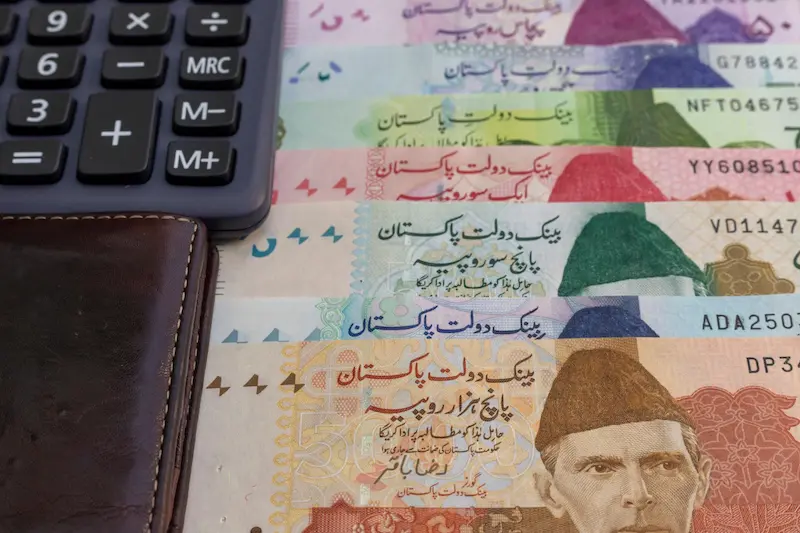
One of the biggest mistakes beginners make is spending their entire budget on equipment or inventory. A business also needs money for packaging, transportation, marketing, and unexpected expenses.
A balanced budget can help you avoid this problem and maintain enough cash to continue operating.
| Expense category | Suggested allocation | Amount |
| Tools, equipment, or first stock | 50–60% | Rs. 25,000–30,000 |
| Raw materials or working capital | 15–20% | Rs. 7,500–10,000 |
| Packaging and branding | 8–10% | Rs. 4,000–5,000 |
| Marketing and advertising | 8–10% | Rs. 4,000–5,000 |
| Emergency reserve | 8–10% | Rs. 4,000–5,000 |
This is a general example rather than a fixed formula. Your spending should depend on the type of business you select.
For example, a freelancer may need to invest more in a laptop or training and less in packaging. A homemade food business may require more money for ingredients, cooking equipment, and delivery supplies.
Practical ways to reduce startup expenses:
- Purchase second-hand equipment after checking its condition.
- Compare prices from at least three suppliers.
- Begin with a limited quantity of stock.
- Use free social media platforms for initial promotion.
- Avoid unnecessary office furniture and decorations.
- Keep a separate reserve for unexpected expenses.
- Do not borrow money to purchase products before testing demand.
Your main goal should be to start operating without exhausting your entire Rs. 50,000 investment. Keep enough working capital and emergency savings to manage the first few months.
Best Online Platforms to Promote Your Small Business in Pakistan
You do not necessarily need a physical shop to find customers. Several online platforms can help small businesses reach people in their cities and across Pakistan.
Facebook and Facebook Marketplace
Facebook is useful for selling clothing, food products, accessories, plants, and other consumer goods. You can create a business page, publish product photographs, and participate in relevant local groups.
Facebook Marketplace can also help you reach people interested in purchasing products within your area. Follow platform rules and provide accurate product details.
Instagram is particularly useful for businesses that depend on visual presentation. Cakes, clothing, customized gifts, beauty services, and indoor plants can all be promoted through photographs and short videos.
Post regularly, use relevant captions, share customer feedback, and make your contact information easy to find.
WhatsApp Business
WhatsApp Business is one of the most useful tools for managing a small business. You can create a product catalogue, share prices, send order updates, and communicate directly with customers.
You can also use labels to organize orders and customer inquiries.
Google Business Profile
If you provide services in a particular area or customers visit your business location, a Google Business Profile can help people discover you through Google Search and Maps.
It can be particularly useful for tuition services, mobile repairs, beauty services, and local food businesses.
OLX and Daraz
OLX can help you reach local buyers for selected products and used equipment.
Daraz is another option for product-based businesses, but review seller requirements, commissions, shipping arrangements, and return policies before listing products.
TikTok and YouTube Shorts
Short videos can help introduce your business to new customers. You can record food preparation, product packaging, clothing displays, customized printing, or plant-care demonstrations.
Focus on useful and authentic content rather than exaggerated marketing claims.
Fiverr, Upwork, and LinkedIn
These platforms are relevant for freelancers and digital service providers. Create a professional profile, upload genuine work samples, and apply for projects that match your skills.
For online businesses, focus on consistent promotion and customer communication. You do not need to use every platform at once. Start with one or two channels where your potential customers are most active.
Common Mistakes to Avoid When Starting a Small Business
Starting with limited money requires careful decisions. A small mistake can consume a significant portion of your investment, so try to avoid these common problems.

Spending All Your Money on Setup
Some beginners purchase expensive equipment, furniture, and large amounts of inventory before finding customers. This leaves little money for daily operations.
Start with essential resources and keep enough working capital to handle initial expenses.
Copying a Business Without Research
A business may look successful on social media, but that does not mean it will work in your neighbourhood.
Research local customer demand, competition, purchasing power, and product availability before investing.
Ignoring Product Costs and Pricing
Your selling price should account for more than the purchase price of a product.
Consider raw materials, packaging, transportation, electricity, delivery charges, damaged products, and other operating expenses.
Without proper calculations, you may generate sales without making a meaningful profit.
Mixing Personal and Business Money
Using the same money for household purchases and business expenses makes it difficult to understand your financial position.
Maintain a separate wallet, account, or record for business transactions. Write down your daily income and expenses.
Ignoring Product Quality and Customer Service
Customer trust is essential for a small business. Late deliveries, poor-quality products, inaccurate descriptions, and unprofessional communication can damage your reputation.
Always provide honest information and resolve customer complaints respectfully.
Expecting Immediate Profits
Most businesses need time to build customer relationships and establish a regular sales process.
Do not assume that your business will become profitable in the first week or month. Monitor your results and improve your operations gradually.
Borrowing Money Before Testing Your Idea
Taking a loan to purchase large amounts of stock or expensive equipment can increase financial pressure.
Test your idea with your existing savings first. Consider expansion only when you have evidence of customer demand and a workable business model.
The best way to avoid these mistakes is to maintain financial discipline and realistic expectations. Focus on building a business that can operate sustainably instead of trying to grow too quickly.
Which Business Is Best to Start with 50,000 Rupees in Pakistan?
There is no single business that is best for everyone. The right choice depends on your skills, experience, available time, location, and willingness to manage risk.
If you want to start with very little inventory, home tuition, freelancing, and social media management are worth considering. These businesses mainly depend on your knowledge and skills rather than purchasing large quantities of products.
If you enjoy cooking, a homemade food service, frozen snacks, or baking business may be suitable. You can begin with small orders and develop a regular customer base in your neighbourhood.
If you are interested in selling products, consider online clothing reselling, mobile accessories, or dry fruits and spices. These businesses require careful purchasing, product selection, and inventory management.
If you have practical skills, tailoring, mobile repair, customized printing, and beauty services can offer opportunities to earn by providing specialized services.
Here is a simple way to choose:
- For students: Part-time tuition, freelancing, and online reselling may be easier to manage alongside studies.
- For homemakers: Home-based food, baking, stitching, and beauty services may provide flexibility.
- For beginners: Online reselling and small food businesses can be explored on a limited scale.
- For skilled individuals: Mobile repair, tailoring, graphic design, and digital marketing can be suitable.
- For people who enjoy selling: Mobile accessories, clothing, and dry fruits reselling are worth considering.
- For people with limited investment: Tuition, freelancing, and social media management require comparatively less stock.
Before choosing, ask yourself three important questions:
- Do I already have the skills required for this business?
- Can I identify people who are willing to purchase my product or service?
- Can I manage the business without spending more than Rs. 50,000?
If you can answer these questions confidently, you have a better starting point.
The best approach is to choose one business, test it on a small scale, understand your customers, and expand only when your sales and operations become more stable.
Conclusion
Starting a small business with 50,000 rupees in Pakistan is possible when you make careful decisions and choose an opportunity that matches your skills and available resources. You do not need an expensive office, a large team, or a huge investment to begin.
From homemade food and clothing reselling to freelancing, tuition, mobile accessories, and customized gifts, there are several ways to start working independently with a limited budget.
The most important thing is to avoid investing all your money without understanding the market. Start with a small quantity of products or a few customers, calculate your expenses, maintain quality, and learn from customer feedback.
Remember that business success does not happen overnight, and no investment guarantees a particular income. Focus on providing something valuable, building customer trust, and reinvesting carefully.
Choose one idea from this list, prepare a simple budget, and take your first step. A small and well-managed business today can become a much bigger opportunity in the future.
Frequently Asked Questions
1. Which is the best small business to start with Rs. 50,000 in Pakistan?
The best business depends on your skills and local demand. Home-based food, online clothing reselling, tuition, freelancing, and social media management are some options worth considering. Compare their startup costs and choose one that matches your abilities.
2. Can I start a business with 50,000 rupees from home?
Yes. You can start several businesses from home, including homemade food, frozen snacks, baking, tailoring, freelancing, tuition, customized gifts, and online reselling. A home-based model can help reduce rent and other fixed expenses.
3. Can a student start a business with Rs. 50,000?
Yes. Students can consider freelancing, home tuition, social media management, or online reselling. These businesses can be started on a small scale and managed around study schedules.
4. Do I need to register my small business in Pakistan?
Registration requirements depend on the business structure, industry, and activities. Tax obligations and local permits may also apply. As your business grows, check the relevant requirements with official authorities and consider SMEDA’s business guidance.
5. How much profit can I make from a Rs. 50,000 investment?
There is no guaranteed profit amount. Your earnings depend on sales, operating costs, product quality, pricing, customer demand, and competition. Calculate your actual profit after deducting all business expenses rather than judging performance by total sales.