

Starting a business is one of the best ways to build financial independence, develop valuable skills, and create a source of income. However, many people in Pakistan believe that starting a business requires a large investment, a commercial shop, or years of experience. This is not always true.
Today, there are many business ideas in Pakistan for beginners that you can start with a small investment, from your home, or even using just a smartphone and an internet connection.
Whether you are a student, a housewife, a job seeker, or someone who wants to become an entrepreneur, you can find a business opportunity that matches your budget and skills. From online businesses and freelancing to food services, clothing, and small retail businesses, Pakistan offers several opportunities for people who want to start something of their own.
The good news is that you do not need to launch a large company from day one. You can start small, understand your customers, test your products, and gradually expand your business as your income grows.
In this guide, we will explore 20+ profitable business ideas in Pakistan for beginners, including low-investment businesses, online opportunities, home-based businesses, and ideas that can grow into larger companies. You will also learn how much investment you may need, how to choose the right business, and how to avoid common mistakes when starting.
Let’s explore the best opportunities.
1. Online Clothing Business
An online clothing business is one of the most attractive small business opportunities in Pakistan. Clothing is a regular consumer need, and people frequently purchase dresses, shirts, trousers, traditional outfits, and seasonal collections.

You do not necessarily need to open a physical shop. You can start by selling clothes through Instagram, Facebook, WhatsApp, and an online store.
How to start:
- Find reliable clothing wholesalers or manufacturers.
- Select a specific category, such as women’s clothing, men’s fashion, kids’ clothing, or unstitched suits.
- Purchase a small collection to test customer demand.
- Take clear product photographs and create social media pages.
- Share product details, prices, sizes, and delivery information.
- Use reliable courier services for deliveries.
Estimated investment: PKR 20,000–100,000.
Why this business is suitable for beginners: You can begin with limited inventory and reinvest your earnings into new collections. You can also test different clothing categories before choosing your main niche.
2. Freelancing Business
Freelancing is one of the best low-investment business ideas in Pakistan because you can sell your skills to clients around the world.
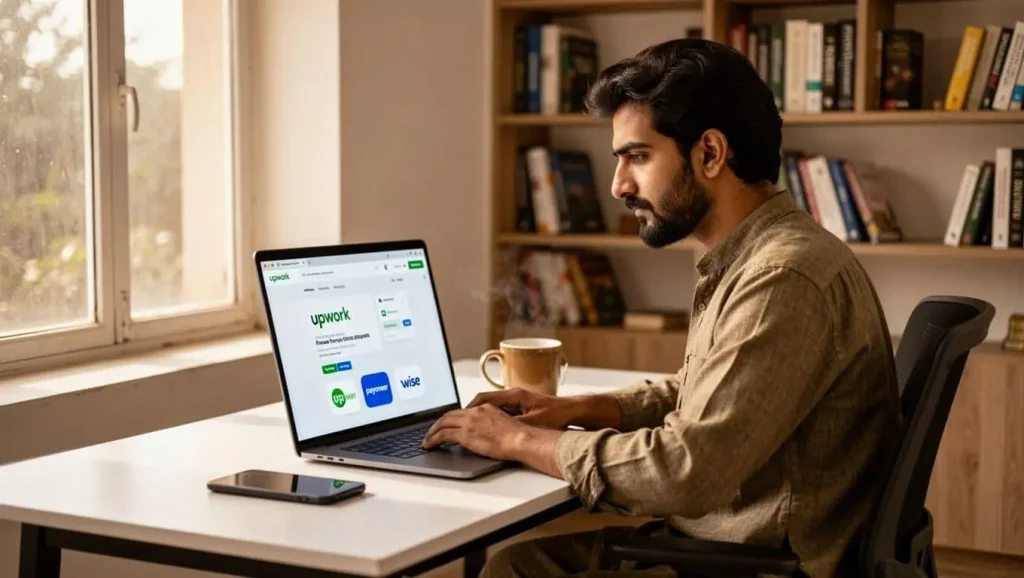
Businesses need professionals who can design websites, write content, edit videos, manage social media accounts, create graphics, and perform other digital tasks.
If you have a computer, internet connection, and a marketable skill, you can start offering services without renting an office or purchasing inventory.
Popular freelancing skills include:
- Graphic design
- Content writing
- WordPress development
- Website design
- Video editing
- Search engine optimization (SEO)
- Social media management
- Virtual assistance
- Data analysis
You can create profiles on platforms such as Fiverr and Upwork or find clients through LinkedIn and professional communities.
Estimated investment: PKR 5,000–30,000, depending on your equipment and internet requirements.
How to make it successful: Choose one skill, develop a strong portfolio, complete sample projects, and approach potential clients. Focus on delivering quality work rather than trying to offer every service at once.
3. Home-Based Food Business
Food is a daily necessity, which makes the food industry an interesting opportunity for beginners in Pakistan.

If you enjoy cooking, you can turn your skills into a small home-based business. Instead of opening a restaurant, start by preparing meals for nearby customers, office workers, students, or families.
Products you can sell:
- Homemade biryani and pulao
- Burgers and sandwiches
- Frozen samosas and rolls
- Homemade cakes and cupcakes
- Lunch boxes
- Traditional Pakistani meals
- Snacks and desserts
Estimated investment: PKR 15,000–60,000.
Start with a small menu and accept orders in advance. Promote your food through WhatsApp groups, Facebook, and Instagram.
Food quality, cleanliness, packaging, and timely delivery are essential. Also, check the relevant provincial food authority’s licensing and food safety requirements before selling.
4. Digital Marketing Agency
Digital marketing is another promising business opportunity because many Pakistani businesses want to attract customers online but do not have the knowledge or time to manage their digital presence.

You can start a small digital marketing agency by providing services to local shops, restaurants, real estate businesses, educational institutes, and online stores.
Services you can offer:
- Social media marketing
- Facebook and Instagram advertising
- Search engine optimization
- Content creation
- Website management
- Email marketing
- Online brand promotion
Estimated investment: PKR 10,000–50,000.
You can initially work alone and manage a few clients. Once you develop a steady customer base, you can hire designers, writers, and marketing specialists.
The best approach is to specialize in one service or industry before expanding your agency.
5. Mobile Accessories Business
Smartphones are widely used in Pakistan, creating demand for accessories such as chargers, earphones, phone covers, screen protectors, and power banks.
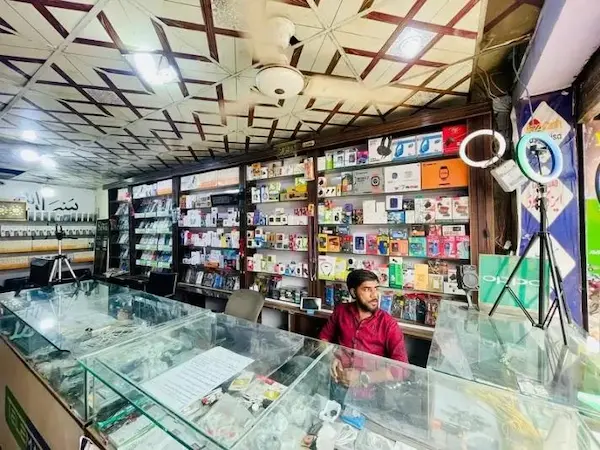
A mobile accessories business can be started online or through a small physical shop.
Popular products include:
- Mobile covers
- Screen protectors
- Charging cables
- Phone holders
- Earphones
- Bluetooth speakers
- Power banks
Estimated investment: PKR 30,000–100,000.
Find reliable suppliers and compare product quality before purchasing inventory. Start with products that have consistent demand instead of investing all your money in expensive accessories.
You can sell through Facebook Marketplace, Instagram, WhatsApp, and local marketplaces.
6. Tuition and Online Teaching Business
If you have good knowledge of a particular subject, teaching can become a profitable small business.
Students in Pakistan need academic support in mathematics, English, science, computer studies, and examination preparation.
You can start teaching from your home or provide online classes using video conferencing tools.
Subjects you can teach:
- Mathematics
- English language
- Physics
- Chemistry
- Biology
- Computer science
- Accounting
- Quran education
Estimated investment: PKR 3,000–20,000.
Initially, you can teach a small group of students. Create a simple timetable, offer trial classes, and ask satisfied students or parents for referrals.
Online teaching also gives you the opportunity to reach students outside your city.
7. Blogging and Affiliate Marketing
Blogging is a long-term online business that involves publishing useful information on a website and earning money through different monetization methods.
You can create a blog around topics such as technology, education, business, personal finance, food, travel, or lifestyle.
For example, a website about technology can publish product comparisons, tutorials, and buying guides.
How bloggers make money:
- Display advertising
- Affiliate marketing
- Sponsored articles
- Selling digital products
- Offering professional services
Estimated investment: PKR 10,000–35,000 for basic website setup and initial expenses.
To start, choose a specific niche, purchase a domain and hosting, and publish helpful articles that answer real questions.
Blogging requires patience. Search engine traffic may take months to develop, so it should not be treated as an immediate income source.
8. Dropshipping Business
Dropshipping allows you to sell products online without keeping all the inventory yourself.
When a customer places an order, you arrange for a supplier to deliver the product directly to the customer.
This business model can reduce the initial inventory investment, but it still requires careful supplier selection and customer service.
How to start:
- Select a product category.
- Find trustworthy suppliers.
- Create an online store or social media shop.
- Upload product photographs and descriptions.
- Promote products to potential customers.
- Process orders and coordinate delivery.
Estimated investment: PKR 15,000–60,000.
In Pakistan, pay special attention to cash-on-delivery arrangements, return policies, delivery costs, and supplier reliability.
Never assume that dropshipping is completely risk-free. Poor product quality and delayed deliveries can damage your reputation.
9. Beauty and Skincare Products Business
Beauty and personal care products have a large customer market in Pakistan. People regularly purchase skincare, haircare, cosmetics, and personal hygiene products.
You can start a small online store specializing in authentic products.
Products to consider:
- Face washes
- Moisturizers
- Sunscreens
- Hair oils
- Shampoos
- Makeup products
- Personal care accessories
Estimated investment: PKR 20,000–80,000.
Choose reputable suppliers and verify product authenticity, expiry dates, and applicable product requirements. Avoid counterfeit products and unsupported health or beauty claims.
You can promote your products through educational content, product demonstrations, and customer reviews.
10. Printing and Customized Gifts Business
Personalized products are popular for birthdays, weddings, anniversaries, corporate events, and special occasions.
A customized gifts business allows customers to purchase products with names, photographs, messages, or personalized designs.
Products you can offer:
- Customized mugs
- Printed T-shirts
- Photo frames
- Personalized cushions
- Keychains
- Customized notebooks
- Gift boxes
Estimated investment: PKR 25,000–100,000.
You can begin by outsourcing printing work to an established printing supplier. This allows you to test demand without purchasing expensive machinery.
As your customer base grows, you can invest in your own equipment.
11. Homemade Pickles and Spices Business
Traditional Pakistani food creates demand for products such as homemade pickles, spice mixes, chutneys, and cooking ingredients.
If you can prepare consistent-quality products, you can start a small food brand from home.
Products include:
- Mango pickle
- Mixed vegetable pickle
- Homemade chutneys
- Biryani masala
- Karahi masala
- Traditional spice blends
Estimated investment: PKR 10,000–40,000.
Start with a few products, use food-safe packaging, provide clear ingredient information, and maintain consistent quality.
Before commercial sales, investigate relevant food registration and safety requirements.
12. YouTube Channel Business
YouTube provides an opportunity to create educational, entertaining, or informative content and build an audience.
You do not need expensive equipment to begin. A smartphone, good lighting, and a clear content strategy can be enough for your first videos.
Popular YouTube niches include:
- Educational tutorials
- Technology reviews
- Business information
- Cooking
- Personal development
- Travel guides
- Software tutorials
- Skill development
Estimated investment: PKR 5,000–30,000.
Choose one topic and publish consistently. Focus on solving problems and creating videos that people genuinely want to watch.
Possible income sources include eligible YouTube monetization features, sponsorships, affiliate marketing, and your own products or services.
Remember that monetization depends on meeting YouTube’s current eligibility requirements.
13. Graphic Design Business
Graphic design is a valuable skill for businesses that need logos, advertisements, social media graphics, brochures, and marketing materials.
You can start a graphic design business from home with a computer and design software.
Services you can provide:
- Logo design
- Business card design
- Social media posts
- YouTube thumbnails
- Marketing banners
- Product packaging
- Presentation design
Estimated investment: PKR 5,000–30,000, excluding the cost of purchasing a computer if you do not already have one.
Build a portfolio containing different design examples. Contact small businesses and offer professional design packages.
You can also find clients through freelancing platforms.
14. Small Grocery Store
A grocery store is a traditional business that can work well in residential areas where people need convenient access to everyday products.
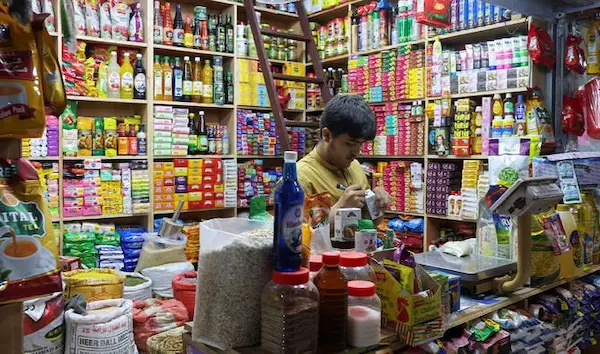
You can begin with a small shop and a limited selection of frequently purchased items.
Products to stock:
- Rice and flour
- Sugar and pulses
- Cooking oil
- Tea
- Biscuits
- Household cleaning products
- Personal care items
Estimated investment: PKR 150,000–500,000 or more, depending on location, rent, inventory, and shop size.
Before starting, study the neighborhood and identify existing competitors.
Your success will depend on product availability, pricing, customer service, inventory management, and location.
15. Photography and Videography Business
Photography is another business opportunity for people interested in cameras, editing, and visual storytelling.
There is demand for photography at weddings, birthday parties, corporate events, product shoots, and social occasions.
Services you can provide:
- Event photography
- Wedding photography
- Product photography
- Social media videos
- Business promotional videos
- Portrait photography
Estimated investment: PKR 50,000–200,000, depending on equipment.
You can start with a smartphone or an affordable camera and gradually upgrade your equipment.
Create a portfolio and share your best work on social media. Good editing, communication, and timely delivery help build a strong reputation.
16. Home-Based Tailoring Business
Tailoring is a practical business idea, particularly for people who have stitching skills and want to work from home.
There is regular demand for stitched clothing, alterations, custom dresses, and traditional Pakistani outfits.
Services include:
- Women’s clothing stitching
- Men’s clothing alterations
- Children’s clothing
- Custom dresses
- Embroidery
- Clothing repairs
Estimated investment: PKR 20,000–70,000.
You can start with one sewing machine, basic equipment, and a small collection of fabric samples.
Promote your services through local contacts and social media. Accurate measurements, finishing quality, and delivery dates are important for customer satisfaction.
17. Social Media Management Business
Many small businesses have Facebook and Instagram accounts but struggle to publish content consistently.
You can help them manage their social media presence by creating posts, writing captions, responding to basic customer inquiries, and planning content calendars.
Services include:
- Monthly content planning
- Social media graphics
- Caption writing
- Post scheduling
- Community management
- Basic performance reporting
Estimated investment: PKR 5,000–25,000.
You can start with one or two local clients and create monthly service packages.
This is especially suitable for beginners who understand social media platforms and have basic writing or design skills.
18. Plant Nursery Business
A plant nursery can be a good small business for people interested in gardening and agriculture.
People purchase indoor plants, outdoor plants, decorative pots, seeds, and gardening supplies for their homes and offices.
Products you can sell:
- Indoor plants
- Flowering plants
- Vegetable seedlings
- Fruit plants
- Decorative pots
- Gardening soil
- Seeds and fertilizers
Estimated investment: PKR 15,000–60,000.
You can start in a small outdoor space or sell through social media.
Choose plants suitable for your local climate and learn how to care for them properly. Good-quality plants and helpful gardening advice can encourage repeat purchases.
19. Mobile Repairing Business
Smartphone repair is a skill-based business with demand in cities and smaller towns.
Customers regularly need assistance with damaged screens, charging problems, batteries, software issues, and other technical faults.
Services you can offer:
- Screen replacement
- Battery replacement
- Charging port repair
- Software troubleshooting
- Speaker and microphone repair
- Basic mobile maintenance
Estimated investment: PKR 30,000–100,000.
You should receive proper training before offering repair services. Start with basic repairs and gradually expand your technical capabilities.
Trust, transparent pricing, and careful handling of customers’ devices are essential.
20. Laundry and Dry Cleaning Service
A laundry business can serve students, working professionals, families, hostels, and small businesses.
You can begin by offering washing, ironing, folding, and pickup and delivery services.
Services include:
- Regular laundry
- Ironing
- Bedding cleaning
- Pickup and delivery
- Clothes washing packages
Estimated investment: PKR 40,000–150,000, depending on whether you purchase equipment or outsource some services.
Start with a limited service area and establish a simple pricing system.
Consistent cleaning quality, careful handling of clothing, and timely delivery will help you build loyal customers.
21. Event Planning Business
Events such as weddings, birthday parties, engagement ceremonies, and corporate gatherings create opportunities for event planners.
You can start as a small event coordinator without owning all the required equipment.
Services you can arrange:
- Birthday decoration
- Wedding coordination
- Engagement events
- Corporate gatherings
- Balloon decoration
- Event photography coordination
Estimated investment: PKR 20,000–80,000.
Build relationships with decorators, photographers, caterers, and rental suppliers.
Start with smaller events to develop your portfolio. Good organization and communication are more important than having a large office.
22. Digital Products Business
Digital products are items that customers purchase and download online. They do not require physical inventory or shipping.
You can create a product once and sell it repeatedly.
Examples include:
- Resume templates
- Business plan templates
- Study notes
- Educational worksheets
- Digital planners
- Graphic design templates
- E-books
- Excel spreadsheets
Estimated investment: PKR 5,000–25,000.
Choose a problem that people are willing to pay to solve. Create a useful product, prepare clear instructions, and promote it through social media or your website.
The quality and usefulness of your digital products will determine whether customers recommend them.
23. Real Estate Marketing Business
Real estate is an established industry in Pakistan, and property businesses often need assistance with marketing and customer communication.
You can start by offering digital marketing, property photography, listing management, and lead generation services to real estate professionals.
Services include:
- Property photography
- Listing creation
- Social media marketing
- Video walkthroughs
- Customer inquiries
- Property advertisement management
Estimated investment: PKR 15,000–60,000.
You should understand the local property market and avoid misleading advertisements. Verify property information and follow applicable laws and professional requirements.
You can begin with marketing services instead of investing your own money in property.
Which Business Is Best for Beginners in Pakistan?
The best business depends on your budget, skills, location, and available time.
Some businesses require technical skills, while others mainly require product sourcing, customer service, or sales ability.
Here is a quick comparison of some beginner-friendly opportunities.
| Business idea | Estimated starting investment | Business type |
| Freelancing | PKR 5,000–30,000 | Online |
| Online clothing | PKR 20,000–100,000 | Online |
| Home food business | PKR 15,000–60,000 | Home-based |
| Blogging | PKR 10,000–35,000 | Online |
| Graphic design | PKR 5,000–30,000 | Online |
| Tuition | PKR 3,000–20,000 | Home/Online |
| Social media management | PKR 5,000–25,000 | Online |
| Mobile accessories | PKR 30,000–100,000 | Retail/Online |
| Plant nursery | PKR 15,000–60,000 | Home/Retail |
| Customized gifts | PKR 25,000–100,000 | Online/Retail |
Note: These are approximate planning estimates, not verified market quotations. Actual costs vary by city, equipment, supplier, rent, and business scale.

Best Business Ideas in Pakistan with Low Investment
If you have limited money, you should focus on businesses that do not require expensive equipment, commercial property, or large inventories.
Some suitable options include:
1. Freelancing
Start by learning one skill and offering services to clients. Your main investment is time, training, and internet access.
2. Online Tuition
Teach students through video calls or from home. You can begin with subjects you already understand.
3. Content Writing
Businesses and websites need articles, product descriptions, website content, and marketing copy. Develop your writing skills and build a portfolio.
4. Social Media Management
Manage social media pages for small businesses. You can start with a smartphone and basic design tools.
5. Digital Products
Create templates, worksheets, and other downloadable products. You do not need to maintain physical stock.
6. Home-Based Food Orders
Start with a few food items and take advance orders to avoid unnecessary food waste and inventory expenses.
The main advantage of these businesses is that you can test your idea before making a large financial commitment.
How to Start a Small Business in Pakistan: Step-by-Step Guide
Choosing a business idea is only the first step. You also need a proper plan to turn that idea into a working business.
Follow these steps before investing your money.
Step 1: Choose the Right Business Idea
Start by identifying your interests, skills, and available resources.
Ask yourself:
- What skills do I already have?
- Which products or services do people need?
- How much money can I invest?
- Can I manage the business alongside my job or studies?
- Is there enough customer demand in my area?
Choose an idea that matches your current situation rather than selecting a business simply because someone else is making money from it.
Step 2: Research the Market
Market research helps you understand whether people are interested in your product or service.
Study your competitors and identify their pricing, customer reviews, product quality, and marketing strategies.
Talk to potential customers and ask what they need. You can also conduct small surveys through WhatsApp and social media.
For additional planning support, beginners can explore SMEDA’s business planning guide, which explains important factors involved in preparing a business plan.
Step 3: Calculate Your Investment
Before starting, calculate all expected expenses.
Your budget may include:
- Initial inventory
- Equipment
- Packaging
- Website or domain expenses
- Marketing
- Transportation
- Rent, if applicable
- Emergency working capital
Do not spend your entire budget on inventory or equipment. Keep some money available for unexpected expenses and daily operations.
Step 4: Find Reliable Suppliers
If your business involves selling products, supplier selection is extremely important.
Compare multiple suppliers before making a purchase. Check product quality, wholesale prices, delivery times, and return policies.
Order samples whenever possible.
A low purchasing price does not always mean a good deal. Poor-quality products can lead to complaints, refunds, and loss of customers.
Step 5: Create Your Business Identity
Choose a professional business name that is easy to remember and relevant to your products or services.
You should also create:
- A simple logo
- A professional social media profile
- A business WhatsApp account
- A clear product or service description
- A pricing structure
If you are building an online business, consider purchasing a domain name and creating a professional website.
Step 6: Understand Business Registration and Taxes
As your business develops, understand which registrations, licenses, and tax obligations apply to your particular business structure and industry.
For company incorporation, the SECP company registration portal provides official information about the process of registering a company in Pakistan.
For individual income tax registration, consult the FBR official income tax registration information.
Remember that a sole proprietorship, partnership, and private limited company have different legal and compliance requirements. Food businesses and other regulated activities may also require additional approvals.
Step 7: Promote Your Business
Customers need to know that your business exists.
Start with free or affordable marketing methods.
Useful promotional channels include:
- Facebook pages and groups
- WhatsApp Business
- TikTok
- YouTube
- Google Business Profile
- Local business communities
Share useful content, product photographs, customer feedback, and clear offers.
Avoid spending heavily on advertisements before understanding which products or services customers actually want.
Step 8: Track Your Income and Expenses
A business can generate sales without making a profit.
For this reason, record every important financial transaction.
Track:
- Total sales
- Product costs
- Delivery expenses
- Marketing costs
- Operating expenses
- Customer refunds
- Net profit
Review your financial performance regularly and identify where you can reduce unnecessary expenses.
Common Mistakes Beginners Should Avoid
Many small businesses struggle because their owners make avoidable mistakes during the early stages.
Here are some important mistakes to avoid.
1. Investing Too Much Money at the Beginning
Do not purchase large amounts of inventory before testing customer demand. Start small and expand when your business demonstrates consistent sales.
2. Ignoring Market Research
A product may look attractive to you but may not have enough demand in your target market. Understand your customers before investing.
3. Choosing Too Many Products
Selling too many different products can make inventory and management difficult. Start with a focused category.
4. Setting Prices Incorrectly
Consider all costs when setting your selling price. Include purchasing costs, packaging, delivery, advertising, and other expenses.
5. Ignoring Customer Service
Poor communication, delayed deliveries, and unresolved complaints can damage your business reputation.
6. Expecting Immediate Profit
Most businesses need time to develop customers and establish reliable operations. Be patient and measure your progress realistically.
7. Mixing Personal and Business Money
Keep separate records of personal and business expenses. This makes it easier to understand your actual profit and manage cash flow.
Conclusion
Starting a business in Pakistan does not always require a huge investment or years of experience. There are many opportunities for beginners, including freelancing, online clothing, food services, digital marketing, tutoring, blogging, and small retail businesses.
The most important thing is to choose an idea that matches your skills, budget, and available time.
Do not try to build a large business immediately. Start with a simple plan, research your customers, test your products or services, and carefully manage your expenses.
Remember that a successful business is not built overnight. It requires consistency, customer trust, financial discipline, and a willingness to learn.
Choose one business idea, take your first step, and focus on improving it every day.
Frequently Asked Questions (FAQs)
Which business is best in Pakistan for beginners?
Freelancing, online clothing, home-based food services, tuition, graphic design, and social media management are some beginner-friendly options. The best choice depends on your skills, budget, and customer demand.
Which business can I start with PKR 10,000 in Pakistan?
With approximately PKR 10,000, you can consider content writing, basic freelancing, online tuition, social media management, or a small digital products business. Your existing equipment and skills will influence the actual startup cost.
What is the most profitable small business in Pakistan?
There is no single business that is guaranteed to be the most profitable. Profitability depends on demand, competition, operating expenses, pricing, product quality, and management.
Which business is best for students in Pakistan?
Students can consider freelancing, online tutoring, graphic design, content writing, video editing, and social media management. These businesses offer flexibility and can be managed alongside studies.
Can I start a business from home in Pakistan?
Yes. You can start several businesses from home, including food preparation, tailoring, online clothing sales, freelancing, tutoring, blogging, and digital product creation.