
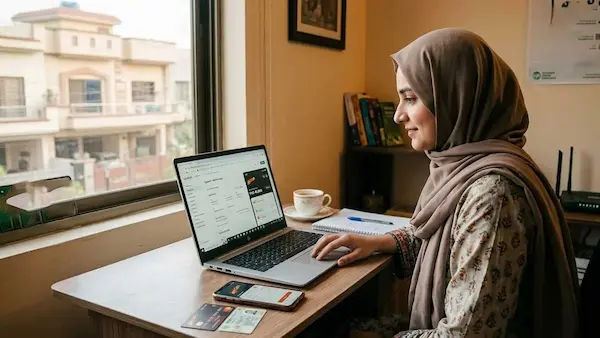
Starting a business in Pakistan can seem difficult when you have limited savings, no previous experience, or a full-time job to manage. Many people want to become financially independent, but they hesitate because they believe starting a business requires a large amount of money. However, not every business needs a shop, expensive equipment, or a significant investment. Some can begin from home with a smartphone, a laptop, or a few essential supplies.
The key is to choose a business that matches your skills, fits your budget, and has demand among potential customers. Whether you are interested in online services, selling products, or offering something locally, there are several opportunities worth exploring.
In this guide, we will cover 15 of the best business ideas in Pakistan with small investment. Each idea includes an estimated startup cost, basic requirements, practical steps to get started, and ways to find customers. Whether you are a student, a fresh graduate, or someone looking for an additional source of income, these options can help you identify a suitable business opportunity.
1. Freelancing Business in Pakistan
Freelancing is one of the most accessible business opportunities in Pakistan because you can sell your skills to clients without opening a physical office. Instead of working for one employer, you complete projects for different clients and receive payment for your services. Popular freelance skills include content writing, graphic designing, website development, data entry, virtual assistance, and social media management.
This business is particularly suitable for students, fresh graduates, and people who want to work from home. If you already have a laptop and a reliable internet connection, you can start without spending much money on equipment.
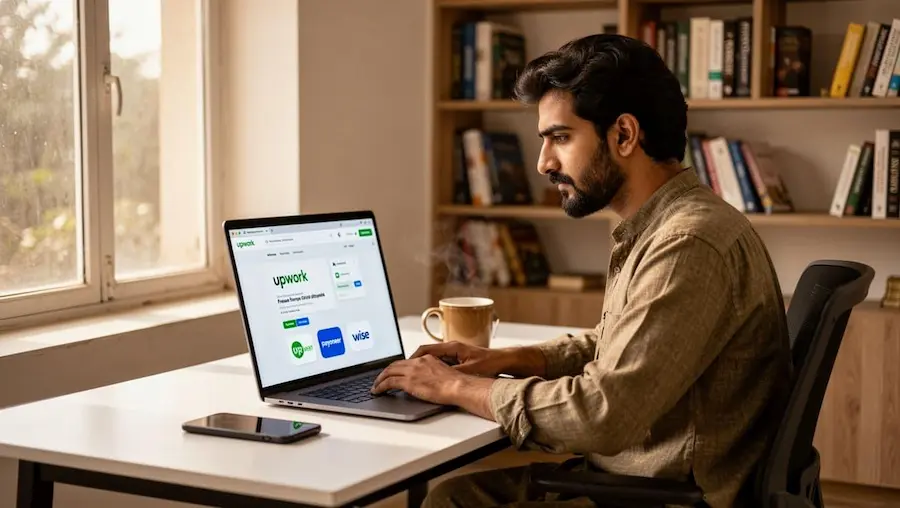
To begin, choose one skill that matches your interests and abilities. Learn the basics, practise by completing sample projects, and create a small portfolio to demonstrate your work. You can then create profiles on platforms such as Fiverr and Upwork. Start by applying for projects that match your experience rather than trying to offer every service at once.
The estimated initial investment is around PKR 5,000 to PKR 25,000, assuming you already own a suitable laptop. This amount may cover internet expenses, learning resources, and basic power backup.
Finding your first client can take time. Share your portfolio on LinkedIn, approach local businesses, and send personalised proposals to potential clients. You can also explore DigiSkills.pk for online training in freelancing and other digital skills.
Freelancing income depends on your expertise, project rates, and ability to attract repeat clients. Your first step should be to select one skill, create two or three sample projects, and start approaching potential customers.
2. Blogging Business
Blogging is a business model in which you publish useful information on a website and attract visitors through search engines and other online channels. You can write about education, technology, food, travel, business, personal finance, or any subject you understand well.
It can be a suitable option for people who enjoy writing and want to build an online business over time. Unlike some businesses that require physical inventory, blogging mainly requires a website, quality content, and consistent effort.
Start by selecting a niche with a clear audience and enough topics to cover. For example, you could create a website about Pakistani education, technology products, career advice, or local travel destinations. Purchase a domain and hosting plan, install WordPress, and choose a simple website design.
After setting up your website, research what people search for and publish helpful articles that answer their questions. Learn basic search engine optimization (SEO), including keyword research, internal linking, and writing useful page titles. Focus on providing original information instead of copying content from other websites.

The estimated initial investment is around PKR 8,000 to PKR 20,000 per year for a basic domain and shared hosting setup. Actual costs depend on your hosting provider and plan.
You can attract readers through Google search, social media, Pinterest, and relevant online communities. Once your website develops traffic, potential income sources include Google AdSense, affiliate marketing, sponsored articles, and selling your own services.
Blogging is not a quick-income business. A new website may take several months or longer to attract meaningful search traffic. Your first step is to choose one niche and prepare a list of 20 useful article topics before launching your website.
3. Graphic Designing Business
Graphic designing is a service-based business that involves creating visual materials for companies, individuals, and online brands. Common projects include logos, social media posts, business cards, brochures, product packaging, banners, and promotional advertisements.
It is a practical business for beginners because you can learn designing skills online and offer services to customers without renting an office. Small businesses, restaurants, clothing brands, academies, and online sellers often need attractive designs to promote their products and services.
Begin by learning basic design principles such as colour combinations, typography, alignment, and visual hierarchy. Canva is a useful starting point for beginners, while Adobe Photoshop, Illustrator, Figma, and Photopea offer additional design capabilities.
Practise by creating sample logos, promotional banners, and social media posts. Once you have enough examples, organize your best work into a portfolio using Behance or a simple Instagram page.

The estimated initial investment is around PKR 10,000 to PKR 40,000, depending on whether you already have a suitable computer. Beginners can reduce expenses by using free design tools and learning resources.
To find customers, contact local shops, restaurants, boutiques, and small online businesses. Share your portfolio on social media and create service listings on freelance platforms. You can also offer monthly packages for businesses that regularly need social media graphics.
Your income can come from individual design projects, branding packages, or monthly design services. One important tip is to agree on the project price, delivery date, and number of revisions before beginning work.
Your first step is to create three sample designs for a business category you understand and use them to build your initial portfolio.
4. Online Tutoring Business
Online tutoring is a business in which you teach students through the internet instead of meeting them in a physical classroom. You can offer lessons in school subjects, mathematics, English, science, computer skills, Quran recitation, or examination preparation.
This business is suitable for university students, graduates, teachers, and people with strong knowledge of a particular subject. You do not need to rent a classroom because you can teach from a quiet space at home.
First, choose a subject and the student level you want to teach. For example, you might specialize in Matric mathematics, FSc physics, O/A Level subjects, or spoken English. Prepare a short demonstration lesson and decide how much you will charge per class or month.
You can conduct lessons using Zoom, Google Meet, or WhatsApp video calls. A laptop or smartphone, headset, stable internet connection, and basic teaching materials are usually enough to get started.

The estimated initial investment is around PKR 3,000 to PKR 15,000, assuming you already have a suitable device. You may need to spend money on a headset, internet access, a writing tablet, or backup connectivity.
To find students, advertise your services in local Facebook groups, WhatsApp communities, and university networks. Ask parents and friends for referrals, and consider offering a short introductory lesson to demonstrate your teaching style.
Your income can come from individual classes, monthly tuition packages, or small group sessions. As your reputation grows, you can increase your student base without needing a larger physical space.
Your first step is to select one subject, prepare a demonstration lesson, and share your tutoring offer with potential students.
5. Homemade Food Business
A homemade food business allows you to prepare and sell food from your own kitchen. In Pakistan, possible products include biryani, pulao, frozen samosas, kebabs, parathas, lunch boxes, desserts, and traditional snacks.
This is a practical opportunity for people who enjoy cooking and want to start a small business without renting a restaurant. You can begin with orders from neighbours, friends, relatives, office workers, and students.
Start with two or three dishes that you can prepare consistently. Test your recipes, calculate the cost of ingredients, and decide on suitable portion sizes. Your selling price should cover ingredients, cooking fuel, packaging, delivery expenses, and your time.
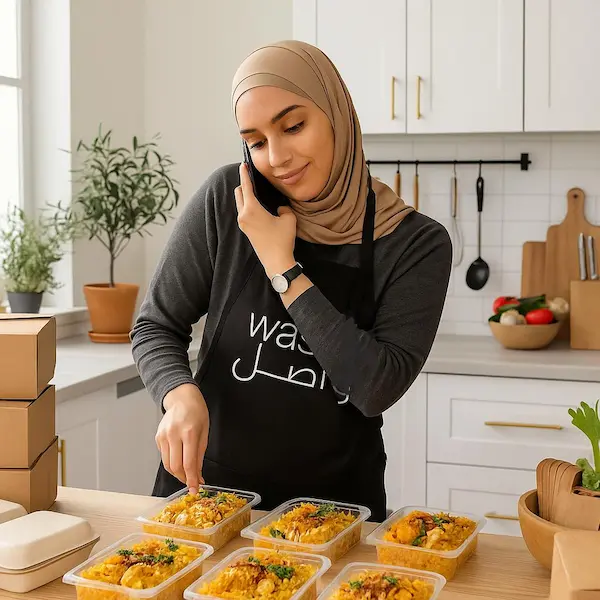
The estimated initial investment is around PKR 10,000 to PKR 30,000 if you already have basic kitchen equipment. You may need additional money for food containers, labels, ingredients, and utensils.
Create a WhatsApp Business profile and an Instagram or Facebook page to display your menu. Upload clear pictures of your dishes and mention prices, portion sizes, delivery areas, and ordering instructions. You can also approach nearby offices, hostels, and educational institutions to offer lunch packages.
Your revenue can come from individual meal orders, weekly lunch subscriptions, frozen food packages, and catering for small gatherings. Taking pre-orders helps reduce food waste and prevents unnecessary spending on ingredients.
Food hygiene is essential for building customer trust. If you expand your operation, check the relevant food safety and licensing requirements in your province. For example, the Punjab Food Authority licensing application explains the licensing process for food business operators in Punjab.
Your first step is to prepare one popular dish, offer a small trial batch, and collect honest feedback from your first customers.
6. Online Clothing Business
An online clothing business involves selling garments through social media, online marketplaces, or your own website. You can focus on women’s clothing, men’s casual wear, children’s outfits, unstitched suits, kurtis, shawls, or seasonal collections.
Pakistan has established clothing and textile markets, making it possible to source products from wholesalers and sell them to customers online. You do not need to rent a physical shop when starting on a small scale.
First, choose a specific clothing category instead of selling everything. Research wholesale prices and compare product quality from different suppliers. You can visit markets such as Anarkali and Liberty in Lahore, Tariq Road in Karachi, or Raja Bazaar in Rawalpindi to explore available products.
The estimated initial investment is around PKR 20,000 to PKR 60,000, depending on the quantity and type of clothing you purchase. Packaging, photography equipment, and delivery expenses may increase the total cost.
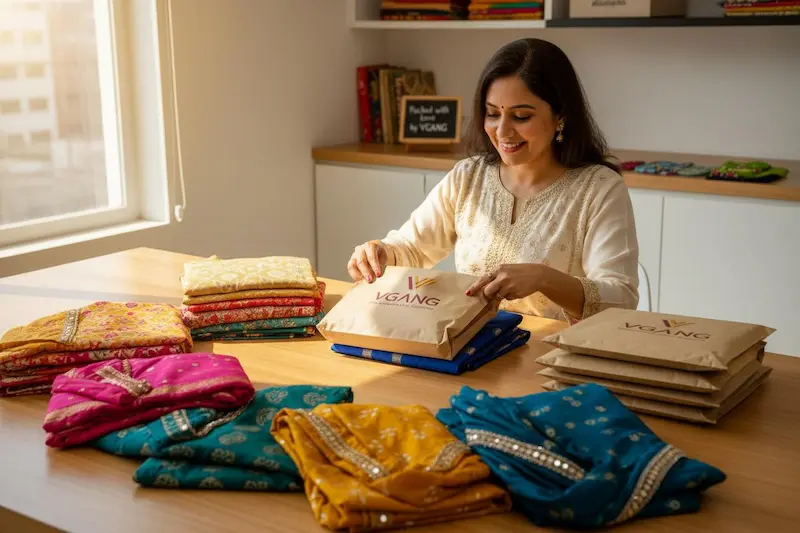
Take clear photographs of your products and provide accurate descriptions, including fabric, available sizes, colours, and prices. Create a business profile on Instagram and Facebook, and use WhatsApp Business to manage customer inquiries.
You can also test demand through pre-orders before purchasing large quantities of stock. This approach can reduce the risk of unsold products.
Your revenue comes from the difference between your purchasing cost and selling price. However, remember to account for packaging, delivery, returns, and promotional expenses when calculating profit.
Your first step is to select five suitable designs, compare supplier prices, and test customer interest before investing in larger inventory.
7. YouTube Channel and Vlogging
Starting a YouTube channel is another business opportunity that can be launched with basic equipment and creative ideas. You can create videos about cooking, education, technology, product reviews, travel, entertainment, tutorials, or everyday experiences.
You do not need an expensive camera to begin. A smartphone with a decent camera, clear audio, and good lighting can be enough for your first videos.
Start by choosing a specific topic that you enjoy and understand. Plan your first five video ideas and create a simple recording schedule. Focus on useful or entertaining content that gives viewers a reason to watch your videos.
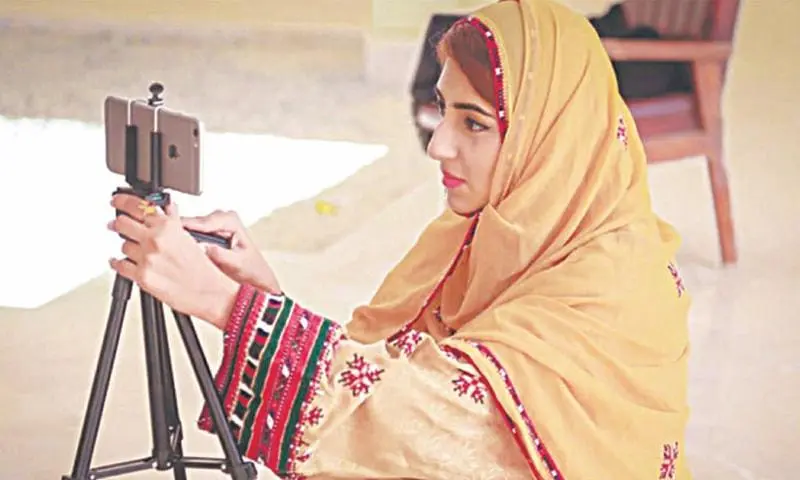
You can edit videos using tools such as CapCut or DaVinci Resolve and create thumbnails with Canva. Try to improve your video quality, storytelling, and presentation with each upload.
The estimated initial investment is around PKR 5,000 to PKR 30,000 for basic accessories such as a microphone, tripod, and lighting. You can start with equipment you already own and upgrade later.
To attract viewers, share your videos on Facebook, Instagram Reels, and WhatsApp. Use relevant titles and descriptions, respond to comments, and study your YouTube Analytics to understand which topics perform well.
Potential income sources include advertising revenue, sponsorships, affiliate marketing, and promoting your own products. However, advertising income requires acceptance into the YouTube Partner Programme and compliance with its eligibility and monetization policies. You can check the official YouTube Partner Programme requirements before planning your monetization strategy.
Your first step is to choose a niche, record a short video using your smartphone, and publish it to begin learning from your audience.
8. Social Media Marketing Business
A social media marketing business helps other companies promote their products and services through platforms such as Facebook and Instagram. Services can include creating posts, writing captions, managing business pages, planning content, responding to messages, and running advertising campaigns.
Many small businesses in Pakistan want to attract customers online but do not have enough time or experience to manage their social media accounts. This creates an opportunity for beginners who understand digital platforms.
Start by learning content creation, basic graphic designing, social media scheduling, and advertising fundamentals. Practise by managing your own page or helping a friend’s business. Create sample posts and prepare a simple content calendar to demonstrate your abilities.
The estimated initial investment is around PKR 10,000 to PKR 30,000, assuming you already own a laptop or suitable smartphone. Most of the initial cost may go toward internet access, learning resources, and optional software.

To find customers, approach local boutiques, restaurants, salons, clinics, and educational academies. Review their social media pages and suggest practical improvements. You can also contact potential clients through Instagram, Facebook, and LinkedIn.
Your revenue can come from monthly social media management packages, content creation, and separate advertising management fees. Make sure advertising budgets are agreed separately from your service charges.
One challenge is that some clients expect immediate sales. Explain your responsibilities clearly and agree on the services, reporting schedule, and payment terms before starting.
Your first step is to select one local business, prepare a sample content plan, and show the owner how your service could improve its online presence.
9. Reselling Business
Reselling is a business model in which you purchase products from wholesalers or suppliers and sell them to customers at a higher price. You do not need to manufacture anything yourself, which makes it suitable for beginners.
Popular products for reselling in Pakistan include kitchen accessories, household items, bags, shoes, cosmetics, children’s toys, and small electronic accessories.
Start by choosing one product category with a clear target audience. Research wholesale prices, compare suppliers, and check product quality before purchasing inventory. Avoid buying large quantities until you understand what customers actually want.
The estimated initial investment is around PKR 10,000 to PKR 40,000, depending on the products and quantity. You may also need packaging materials and money for delivery or returns.

You can sell products through WhatsApp Business, Facebook Marketplace, Instagram, and Daraz. Take clear product photographs and write accurate descriptions. Respond quickly to questions and provide clear information about prices, delivery charges, and return policies.
Some beginners also test demand by collecting orders before purchasing stock. However, if you use this approach, be transparent with customers about availability and delivery times.
Your income comes from the difference between the wholesale purchasing price and the selling price. Remember to subtract packaging, courier charges, marketing expenses, and returned orders before calculating your actual profit.
The main challenges include unreliable suppliers, poor product quality, and unsold inventory. Start with a small quantity and build relationships with suppliers who offer consistent products.
Your first step is to select one product category, compare at least three suppliers, and purchase a small sample before selling.
10. Home-Based Baking Business
A home-based baking business involves preparing and selling cakes, cupcakes, brownies, cookies, and other baked products from your kitchen. It can be a suitable opportunity for people who enjoy baking and want to turn their skills into a source of income.
Customized cakes are particularly useful products to offer because customers regularly order them for birthdays, anniversaries, celebrations, and family events.
Begin by selecting two or three products that you can prepare consistently. Practise different recipes and learn basic decoration techniques. You can find free tutorials online and improve your skills by experimenting with different flavours and designs.

The estimated initial investment is around PKR 15,000 to PKR 50,000, depending on the equipment you already own. An oven, mixer, baking tins, measuring tools, piping bags, and packaging boxes are common requirements.
Calculate the cost of every order before setting your prices. Include ingredients, electricity or gas, packaging, delivery, and your time. This will help you avoid selling products at prices that do not cover your expenses.
Promote your baking business through Instagram, Facebook, and WhatsApp. Upload clear photographs of your products and encourage satisfied customers to share reviews. You can also create special packages for birthdays, Eid, and other occasions.
Your income comes from individual orders, customized cakes, dessert boxes, and seasonal products. As demand increases, you can introduce additional flavours and larger packages.
Challenges include last-minute orders, damaged deliveries, and inconsistent product quality. Use secure packaging, establish order deadlines, and request an advance payment for customized orders.
Your first step is to prepare a small sample collection, photograph your products, and share them with potential customers.
11. Mobile Accessories Business
A mobile accessories business involves selling products such as phone covers, screen protectors, chargers, earphones, power banks, and mobile holders. Since smartphones are widely used, customers regularly look for accessories and replacement products.
You can start this business from home, through social media, or from a small retail stall. Selling online initially can help you test demand without paying shop rent.
Begin by researching popular smartphone models and identifying accessories that customers frequently purchase. Visit wholesale markets such as Hafeez Centre and Hall Road in Lahore or Saddar in Karachi to compare suppliers and product quality.
The estimated initial investment is around PKR 20,000 to PKR 60,000 for a small collection of accessories. Your budget will depend on product variety, stock quantity, and whether you choose an online or physical setup.
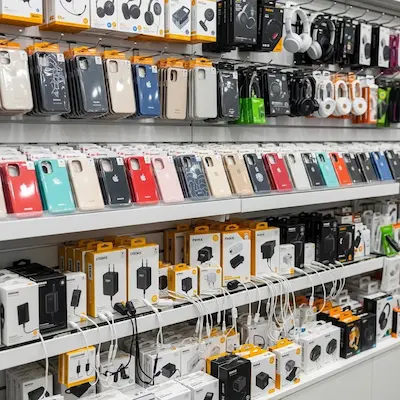
Create a product catalogue with clear photographs, prices, and compatible phone models. You can advertise through Facebook Marketplace, Instagram, WhatsApp Business, and local buying and selling groups.
Offer product bundles, such as a phone cover with a screen protector, to encourage customers to purchase more than one item. Be transparent about product quality and warranty conditions, particularly for chargers and electronic accessories.
Your revenue comes from the margin between purchasing and selling prices. Profit depends on supplier rates, competition, product quality, and how quickly your stock sells.
One challenge is competing with established mobile shops. You can differentiate your business through reliable products, helpful customer service, and convenient delivery.
Your first step is to research five popular accessories, compare wholesale prices, and test the market with a small inventory.
12. Makeup and Beauty Services
A makeup and beauty services business provides personal grooming and beauty services to customers. These may include party makeup, bridal makeup, basic hairstyling, threading, and other beauty treatments.
It can be a suitable business for people who have an interest in beauty, creativity, and customer service. You can begin by offering services from home or visiting customers at their preferred locations.
Start by learning basic makeup techniques and understanding different skin types and product requirements. You can join a professional makeup course or practise through structured online tutorials. Work on friends and family members to develop your skills and build a portfolio.
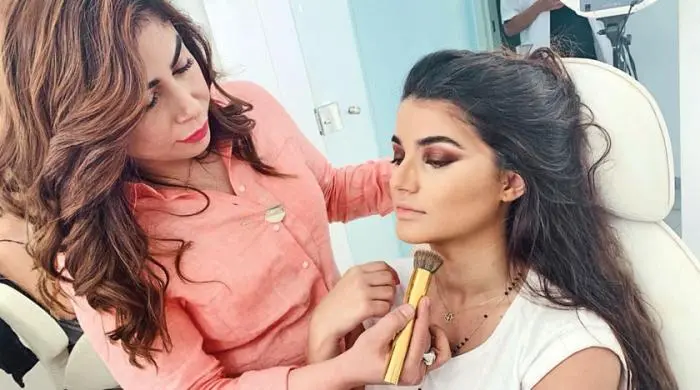
The estimated initial investment is around PKR 25,000 to PKR 80,000, depending on the quality and quantity of makeup products and tools you purchase. Brushes, foundations, hygiene supplies, lighting, and storage are important requirements.
To find customers, share your work on Instagram and Facebook. Upload photographs with permission, create a list of services, and clearly display your booking process. You can also build referral relationships with photographers, wedding planners, salons, and clothing boutiques.
Your revenue comes from individual appointments, party makeup packages, and bridal bookings. Earnings depend on your experience, service quality, reputation, and seasonal demand.
Customer hygiene and product safety should always be priorities. Use clean brushes, authentic products, and appropriate hygiene practices. Discuss product sensitivities with customers before providing services.
Your first step is to practise a few makeup looks, photograph your work, and create a small portfolio to attract your first clients.
13. Video Editing Business
Video editing is a service-based business in which you edit raw footage into polished videos for individuals, creators, and companies. Common projects include YouTube videos, Instagram Reels, TikTok videos, wedding highlights, promotional advertisements, and educational content.
This business is suitable for people who enjoy working with digital media and want to develop a skill that can be offered remotely. Many content creators and small businesses need editing services but do not have enough time to edit videos themselves.
Start by learning an editing program such as CapCut, DaVinci Resolve, Filmora, or Adobe Premiere Pro. Practise cutting footage, adding transitions, improving audio, inserting subtitles, and creating engaging short-form videos.

The estimated initial investment is around PKR 15,000 to PKR 50,000, assuming you already have access to a suitable computer. You may need additional money for software, storage, headphones, and learning resources.
Build a portfolio by editing five or six sample videos. You can use your own recordings or properly licensed stock footage. Display your work on Instagram, LinkedIn, and a portfolio website.
To find customers, contact YouTubers, wedding photographers, digital marketing agencies, and local businesses. You can also create profiles on Fiverr and Upwork to reach international clients.
Your income can come from per-video charges, monthly editing packages, and larger commercial projects. Rates depend on video length, complexity, editing quality, and delivery time.
Common challenges include large file sizes, demanding deadlines, and repeated revisions. Agree on the delivery date and revision limits before starting a project.
Your first step is to edit a 30-second promotional video and use it as your first portfolio sample.
14. Mehndi Art Business
A mehndi art business provides henna application services for weddings, engagements, Eid, Chand Raat, and other celebrations. Traditional and modern designs are popular choices for customers looking for decorative hand and foot art.
This business is suitable for beginners with artistic skills because the initial equipment requirements are limited. You can offer services from home, travel to customers, or take bookings for wedding events.
Start by practising basic patterns such as floral designs, Arabic mehndi, and traditional Indo-Pakistani styles. Begin on paper before practising on your own hands or friends. Learn how to create clean lines, balanced patterns, and detailed designs.
The estimated initial investment is around PKR 3,000 to PKR 15,000 for quality henna cones, practice materials, a small carrying bag, and basic promotional materials.
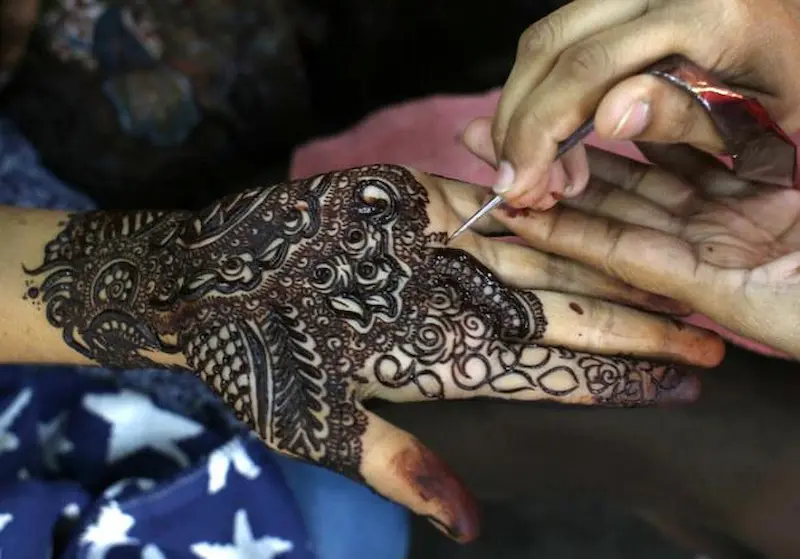
Take clear photographs of your designs and create a portfolio on Instagram and Facebook. You can also promote your services through neighbourhood WhatsApp groups and referrals from beauty salons, makeup artists, and wedding planners.
Your income comes from individual appointments, bridal bookings, and event packages. You can set different prices for simple designs, detailed bridal work, and complete wedding bookings.
Demand may increase during Eid and wedding seasons, so advance booking is useful. Maintain hygiene and use skin-safe henna products. Avoid products containing unsafe chemical additives.
Your first step is to practise one design daily, collect photographs of your best work, and share them with potential customers.
15. Customized Gift Business
A customized gift business involves selling personalized products that customers purchase for birthdays, anniversaries, weddings, graduations, and other special occasions. Popular products include printed mugs, photo frames, personalized cushions, name keychains, gift boxes, engraved pens, and customized hampers.
This is a practical business for beginners because you can start with a few sample products and expand your collection as customer demand grows. You do not necessarily need to purchase expensive printing equipment at the beginning.
First, select three or four products that are easy to customize and source locally. Contact printing shops and suppliers to compare prices, production quality, and minimum order quantities. You can outsource printing and focus on designing products, managing orders, and promoting your business.
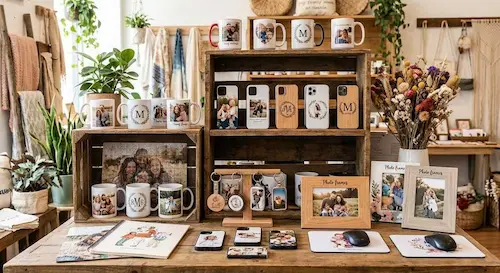
The estimated initial investment is around PKR 15,000 to PKR 50,000 for sample products, packaging, basic design work, and initial marketing. Your actual budget depends on the products you choose and whether you handle customization yourself.
Create attractive sample designs using Canva or another suitable design tool. Photograph the finished products and upload them to Instagram, Facebook, and WhatsApp Business. Provide clear information about customization options, prices, and delivery times.
Your customers may include individuals, couples, families, schools, and small companies. You can also offer customized gift packages for Eid, weddings, graduation ceremonies, and corporate events.
Revenue comes from product margins and customization charges. Your profit depends on material costs, supplier rates, order size, and delivery expenses.
Common challenges include spelling mistakes, delayed printing, and damaged deliveries. Always confirm the customer’s design and spelling before sending an order to production. Use secure packaging and allow enough time for customization.
Your first step is to create three sample gifts, calculate their selling prices, and show them to potential customers for feedback.
Conclusion
Starting a small business in Pakistan does not necessarily require a large investment. The 15 ideas discussed above offer different ways to begin, whether you prefer working online, selling products, or providing services from home. The best option depends on your available budget, skills, interests, and the demand in your target market.
Before investing your savings, research your customers, compare costs, and test your idea on a small scale. Avoid purchasing unnecessary equipment or large amounts of inventory at the beginning. Focus on providing quality products or services, building customer trust, and managing your expenses carefully. With consistent effort and proper planning, a small business can become an opportunity for long-term growth.
Frequently Asked Questions (FAQs)
1. Which business is best in Pakistan with small investment?
Freelancing, online tutoring, blogging, homemade food, and reselling are some of the best options for starting a business in Pakistan with a small investment. The right choice depends on your skills, budget, and market demand.
2. Which business can I start with Rs. 10,000 in Pakistan?
You can start several small businesses with Rs. 10,000, including mehndi services, freelancing, online tutoring, social media management, and small-scale homemade food sales. Some require equipment you may already own.
3. Which online business is most profitable in Pakistan?
Freelancing, graphic designing, blogging, video editing, and social media marketing offer good earning opportunities. However, profitability depends on your skills, experience, customer demand, and ability to find clients.
4. Which business is best for students in Pakistan?
Freelancing, online tutoring, blogging, graphic designing, and video editing are suitable options for students. These businesses offer flexible working hours and can be managed alongside studies.
5. Can I start a business in Pakistan from home?
Yes. You can start several businesses from home, including homemade food, baking, online clothing, blogging, freelancing, makeup services, and customized gifts. Starting from home can help reduce rent and other operating expenses.